

津巴印象(8)Impressions of Zimbabwe
2025-10-24
点击量: 次浏览
写在前面 Preface
Preface
重写这篇文章,仿佛把在津巴的时光重新过了一遍。那些日子已经结束,在回忆中却变得那么澄澈、轻柔、明媚……原文写于2024年10月,经修改、重写,于2025年10月完成这篇不完美的文章,以此作为对那段时光的郑重交代。
Rewriting this essay feels like reliving my days in Zimbabwe once again. Those days have passed, yet in memory they have become clear, tender, and bright. The original version was written in October 2024; through revisions and rewritings, I completed this imperfect piece in October 2025—as a solemn account of that luminous chapter of my life.
序
Prologue
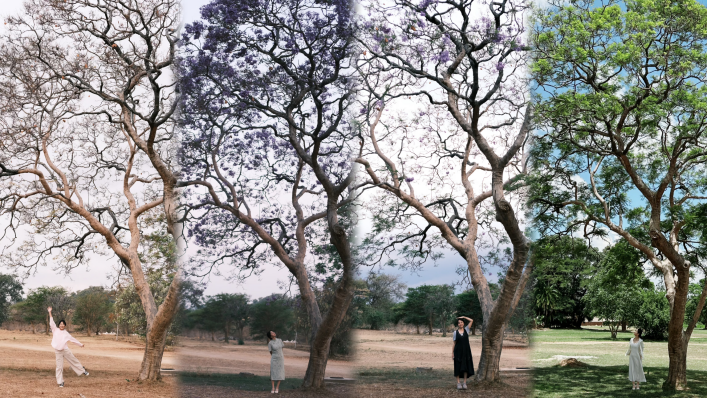
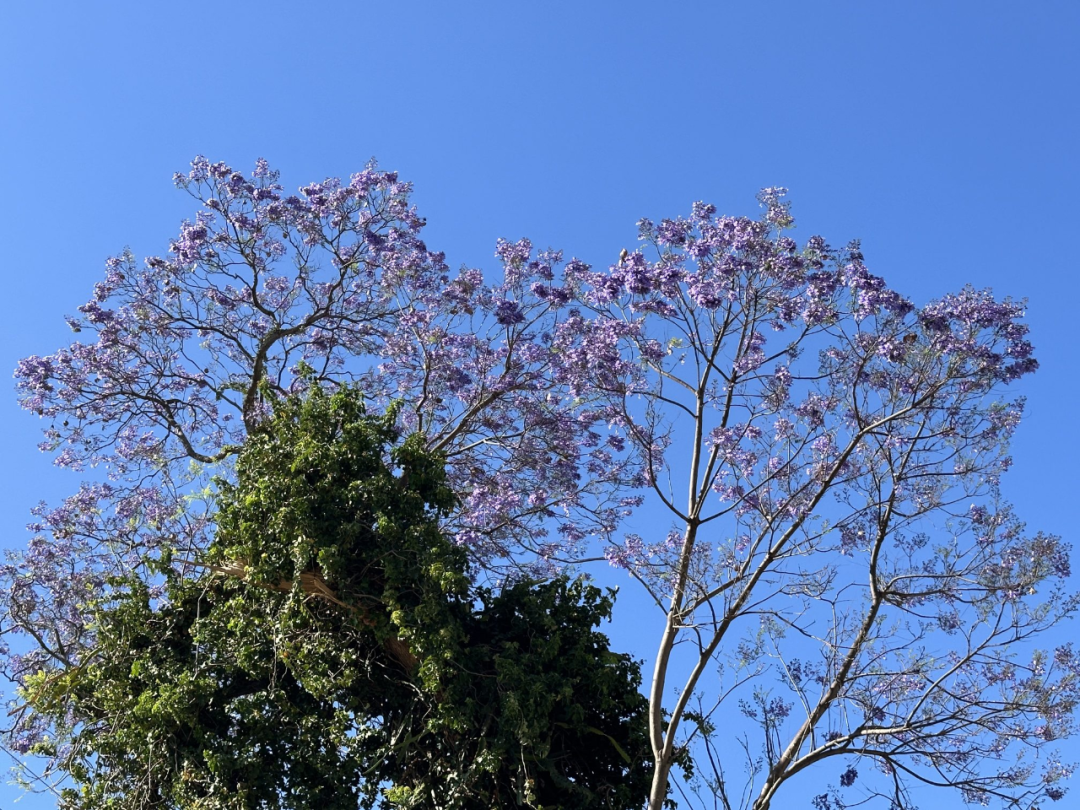
来津巴足一月,我迟迟没有动笔写下属于我的《津巴印象》。我像这片土地等待雨季一样在等待着,高大的蓝花楹树只是克制地在树冠尖上稍稍绽开淡紫色风铃状的花朵,它们等待着充沛的雨水以爆发盛大的紫色能量。我收敛起无数次动笔的冲动,因为“未知全貌不予置评”。我来的时候,哈拉雷正缓步走出旱季,我还没有看过雨季的津巴,还没看过完整的津巴……但转念一想,此时的感受何尝不是真切的感受,倘若一定要等到准备好再动笔,可能已经错失了这个季节鲜活的记忆,而我不想错过任何一次津巴给予我的灵光乍现。于是就有了这第一部分,或许雨季来了再续写另外的津巴印象。
A month had passed since my arrival in Zimbabwe, and still I had not begun to write my own “Impressions of Zimbabwe.” I was waiting, just as the land itself waited for the rainy season to arrive. The tall jacaranda trees restrained their blooming, letting only a few pale-purple, bell-shaped flowers tremble at the tips of their crowns. They, too, were waiting for the generous rain that would release their vibrant violet energy. I held back my impulse to write, again and again, telling myself, “Without seeing the whole, how can I make a judgment?” When I came, Harare was just beginning to emerge from its dry season. I had not yet seen the rains; I had not yet seen Zimbabwe in its fullness. But then it occurred to me that are not my feelings in this moment are also real and true? If I waited until I felt “ready,” I might have already missed the vivid freshness of this season. I didn’t want to miss a single spark of inspiration Zimbabwe offered me. So this first part came to be. Perhaps, when the rains come, I will continue with further impressions.
长途旅行
A Long Journey
我乘坐从北京中转亚的斯亚贝巴的航班,长时间的飞行让我晕沉沉的,又或许是即将踏足一片陌生大陆的复杂心情让我晕头转向。
I boarded the flight from Beijing, transiting through Addis Ababa. The long hours in the air left me dizzy—or perhaps it was not the flight itself, but the swirl of emotions at stepping onto an unfamiliar continent that made my head spin.
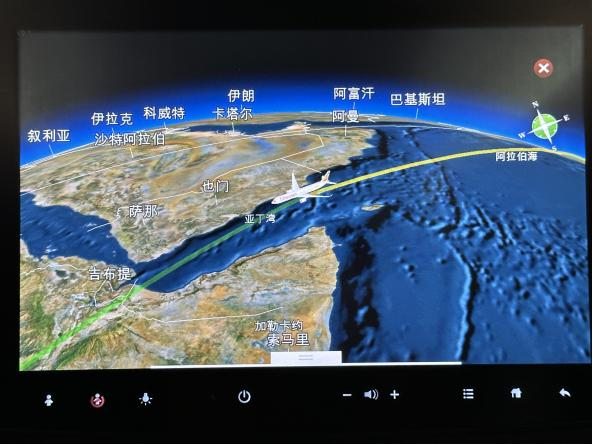
我在北京首都机场和燕萍学姐碰面,我们两个也由此开启了互相扶持、彼此关爱的旅程。凌晨出发,不知道具体飞了多久。飞机进入亚丁湾,终于在遮光板打开的时候,我们迎来了非洲大陆的第一缕阳光。北京到埃塞中转的航班延误了,我们以为已经错过了那天飞往津巴布韦的航班,然而下一趟航班竟然在等我们,这大概只会发生在非洲。
At Beijing Capital Airport, I met Yanping, a colleague with whom we were to travel and work together in Harare. From that moment on, we began our shared journey—supporting and caring for each other along the way. We departed before dawn; I lost count of how many hours we flew. When the aircraft crossed the Gulf of Aden, the window shades lifted, and we were greeted by the first ray of sunlight over the African continent. Our flight from Beijing to Addis had been delayed, and we feared we had missed our connection to Zimbabwe. But, unbelievably, the next flight had waited for us—something that, perhaps, could only happen in Africa.
一路向南,越过赤道,飞行高度降低,我能远远看到平整的土地一片枯黄,低矮的房舍散落其间,红黄就是这片土地的主色调了。平稳落地,这里就是我要生活一年的哈拉雷。
Southward we flew, crossing the equator. As the altitude dropped, I saw from afar the level, tawny earth, dotted with low houses. Red and yellow—those seemed to be the dominant colors of this land. When the plane touched down smoothly, I realized: this would be my home for the next year—Harare.
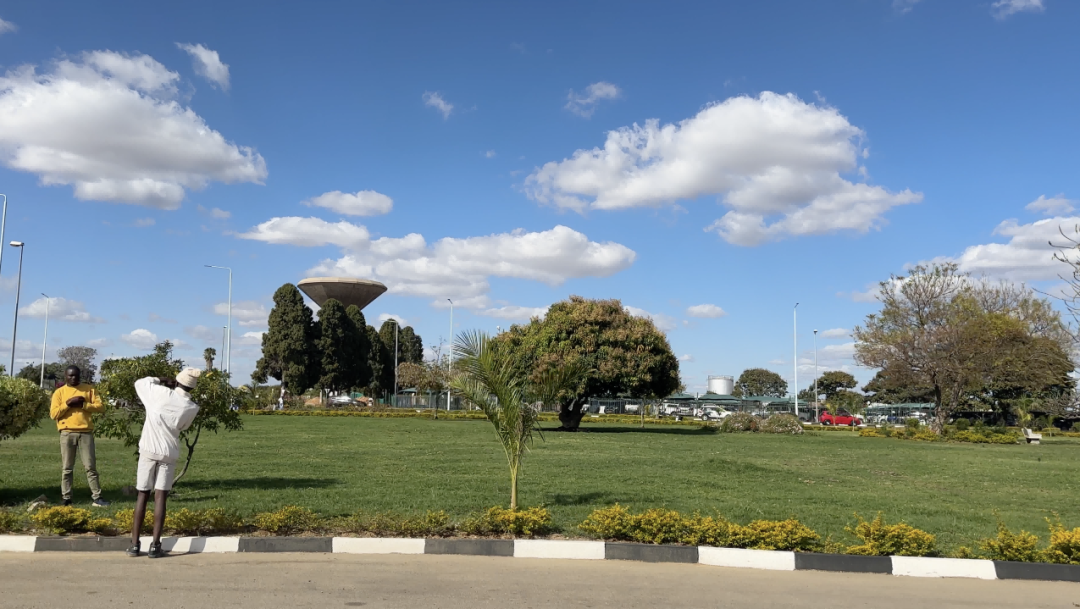
见到了李老师和郭老师,紧张的心渐渐舒缓开。和俯瞰的景致不同,从机场出来道路两旁绿植郁郁葱葱,蔚蓝的天空中白云成团成团地浮动。我放下车窗感受到津巴的第一缕风,舟车劳顿、几度波折的疲惫、不安都卸下了。我激动地一直录视频,我能感受到自己对一切都感到好奇,对一切都感到欣喜。
Meeting Prof. Li and Mr. Guo eased my tension. From above, the land had looked dry and ochre, but as we drove out of the airport, the roadsides grew lush and green, and white clouds drifted in clusters across the brilliant blue sky. I rolled down the window and felt the first breath of Zimbabwe’s wind. The fatigue of travel, the unease of the unknown—all dissolved at once. I was so excited that I kept filming, feeling a childlike curiosity toward everything before me.
几个转弯,视线逐渐开阔,又是一片枯黄。郭老师说,现在还是旱季,等雨季来的时候就都是绿油油的,我暗暗期待着雨季。回家放下行李,没什么东西可收拾,因为所有托运行李都被滞留在了埃塞。李老师在一家中餐厅款待我们,据说这是每年迎接志愿者的惯例。夜幕降临时,凉意也逐渐袭来,我们围坐一起,点燃了餐厅的柴油灯,跳动的火光温暖了身体,大家都非常照顾初来乍到的我,我的心里一直暖暖的。
After several turns, the view opened up again to another stretch of parched yellow. Mr. Guo explained that it was still the dry season—when the rains arrived, all would turn green. I quietly began to look forward to the rainy season. Arriving home, there was little to unpack; all our checked luggage had been stranded in Addis Ababa. Prof. Li treated us to a meal at a Chinese restaurant—a tradition, I was told, to welcome each new group of volunteers. As night fell, a chill set in. We sat together, a circle of new acquaintances, as a diesel lamp flickered between us, warming our hands and faces. Everyone took special care of me, the newcomer, and inside I felt a steady warmth.
风物记
A Record of Things Seen
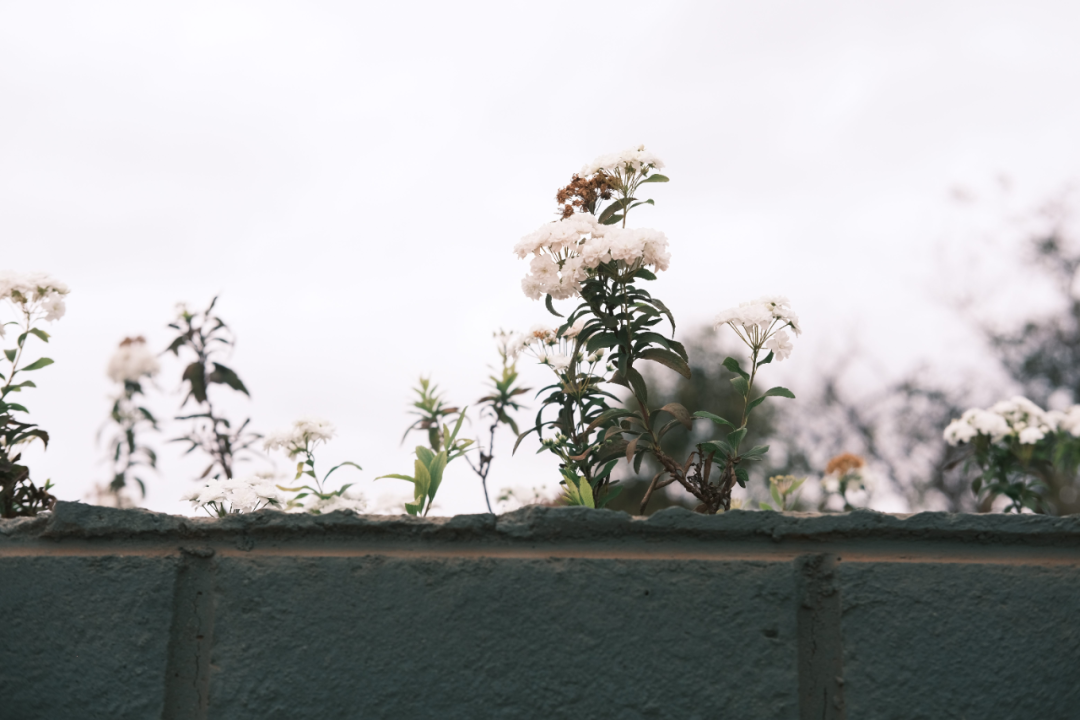
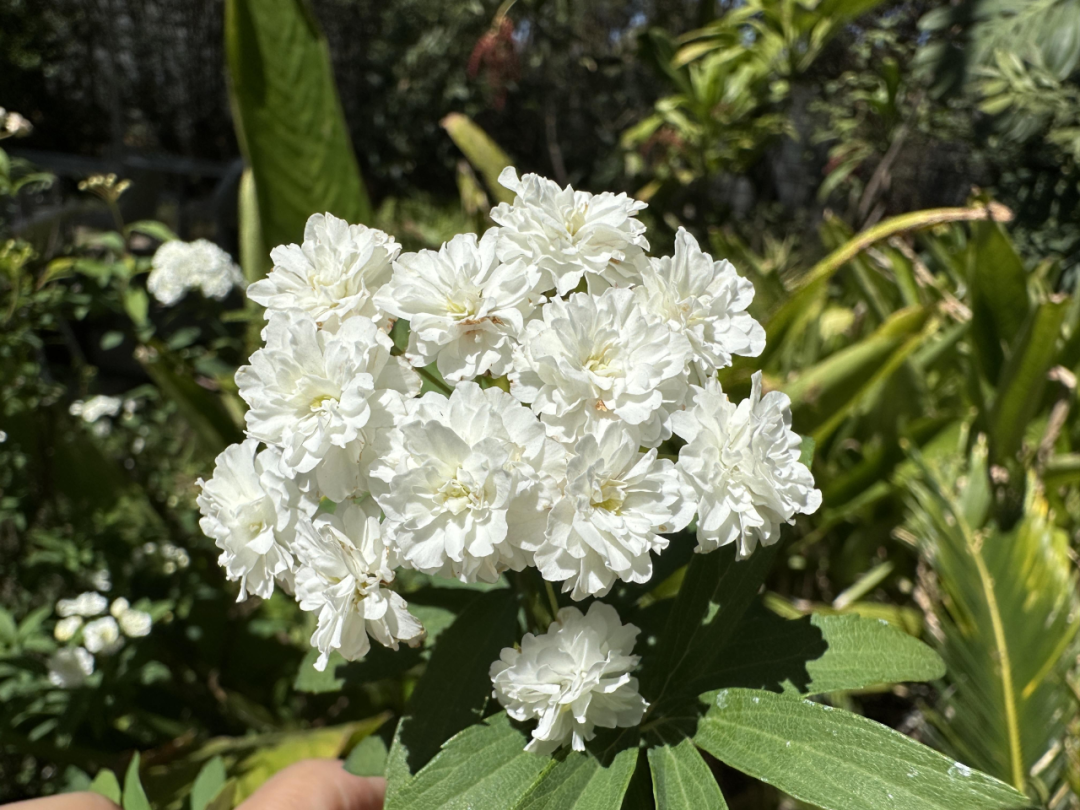
首都哈拉雷地势平坦,植被茂密,随处可见经年之木亭亭如盖。我在哈拉雷见过颜色最丰富的三角梅,也见过在树枝上自然成熟的牛油果。路边不起眼的小白花,只有近看才能发现它的花瓣多么精致。
Harare, the capital, lies on a flat plateau covered in dense vegetation. Ancient trees rise tall and dignified wherever you go. I’ve seen here the richest shades of bougainvillea, and avocados ripening naturally on the branches. Even the most inconspicuous white roadside flowers, when viewed up close, reveal petals of delicate design.
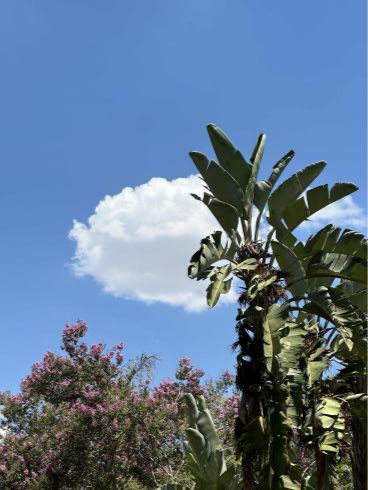
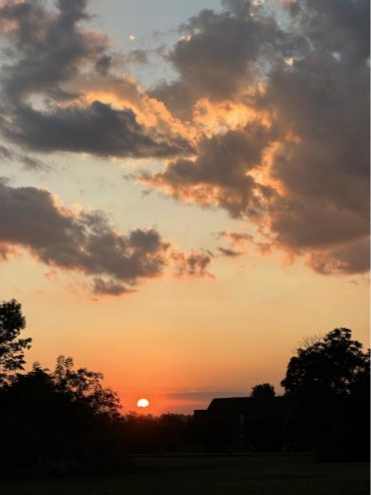

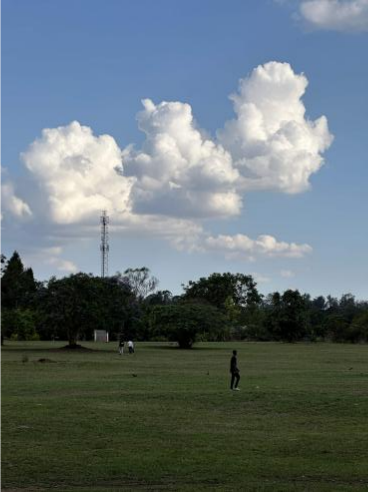
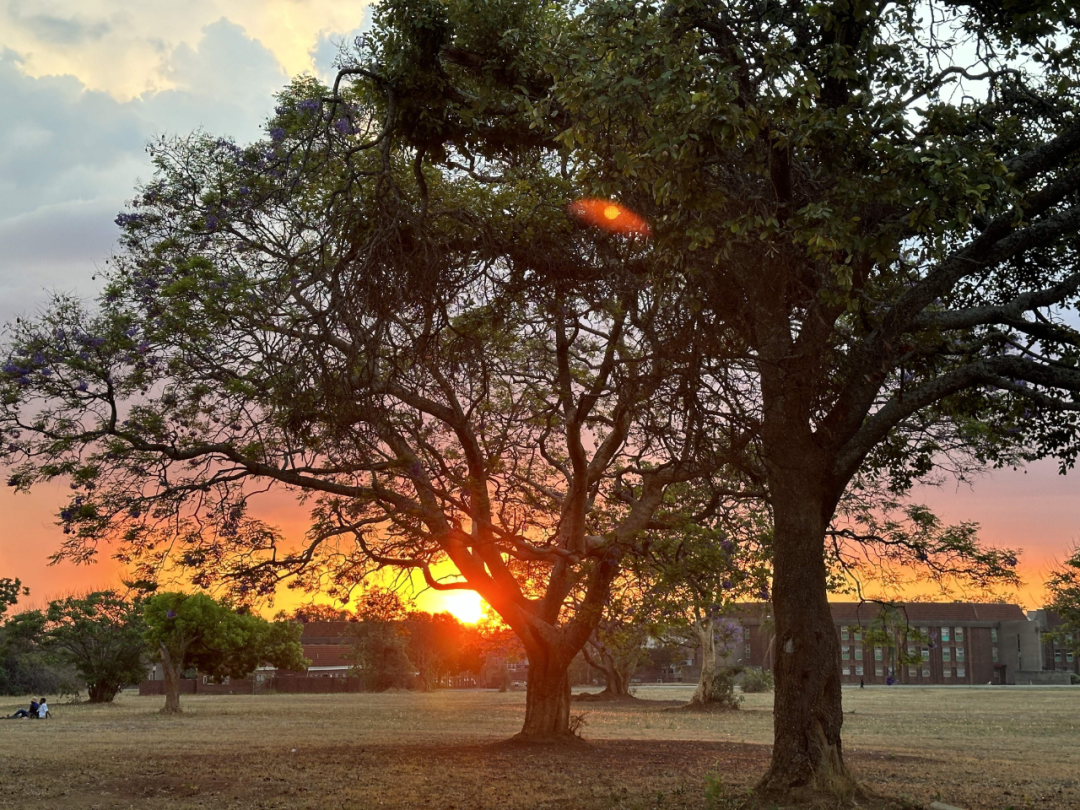
津大校园的24号院是我和燕萍学姐的小家。我们家门口是一片开阔的草坪,雨水久久未至,一直枯黄一片。有时候推门出来,似乎是我太莽撞,惊吓到了在草地上踱步觅食的珍珠鸡。它们双脚细长,身体圆润,脑袋也小小的悬在细长的脖颈之上,胆小怕人,无法靠近。它们身后的羽毛上长着一颗颗白色斑点,倒有些像圆润的珍珠了。校园里还生活着数量庞大的乌鸦,它们体型硕大,颈部洁白,我一开始也不确定这就是乌鸦,直到叫声确凿无疑。每到黄昏,它们就盘旋在玫瑰色的天际,投下斑斑点点的黑色,我不再觉得乌鸦代表着死亡和厄运的不祥征兆,它们让日暮晚霞变得丰盛和喧闹,却让我的心更加沉静和安定。
House No. 24 at the University of Zimbabwe campus was the small home Yanping and I shared. In front of our little house stretched an open lawn, dry and yellow for lack of rain. Sometimes, pushing the door open, it seemed my abruptness startled the guinea fowl pacing and foraging on the grass. With their slender legs, plump bodies, and small heads perched on thin necks, they were timid and unapproachable. The campus also housed a large population of crows—massive birds with white necks. At first, I wasn’t sure they were crows, until their unmistakable cries confirmed it. At dusk, they wheeled across the rose-colored sky, scattering black dots through the sunset. I no longer saw crows as ominous symbols of death and misfortune; their presence made the sunset skies more abundant and lively, yet somehow made my heart calmer and settled.
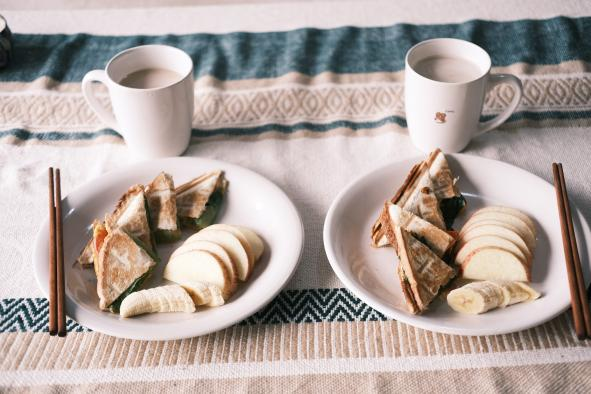
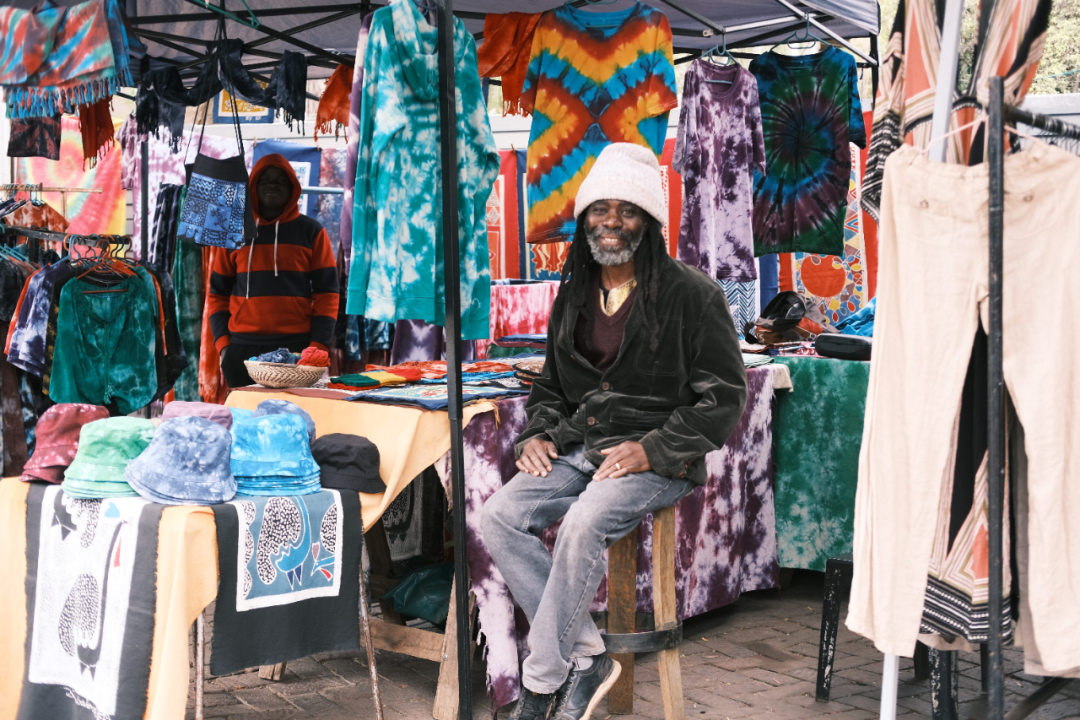
我们平时在家精心布置、用心烹调,希望用心做好每一顿饭,照顾好自己的身体,也收拾好自己的心情。每周一次的集市是我们为数不多的娱乐消遣,我们在那买了很多好看的桌布和木雕餐具。与其说实用,更多的是为了好看,从集市添置这些小物件,一点一点把我们的小家装点得温馨舒适。虽然每周的集市摊位好像永远是那些,卖的东西也差不多,但是常逛常新就是我们的本领了。我们原本也不需要太多的娱乐方式,这种简简单单的生活好像是内心躁动不安的特效药。
At home, we took great care with our small routines: arranging the space, cooking thoughtfully, tending both body and our moods. The weekly market became our modest recreation. We bought bright tablecloths and hand-carved wooden utensils—perhaps not for practicality, but for beauty, to make our little house feel warm and lived-in. Though the stalls seldom changed and the goods were always much the same, finding something new in the familiar was our particular skill. We didn’t need much entertainment—this simple life itself seemed an effective antidote to inner restlessness.
这里的人对平衡有着近乎本能的执着。你能经常在路上看到头顶重物的人优雅行走,方的、圆的、长条的都能在头顶稳稳当当。他们对平衡的执着甚至不放过西瓜,路边卖西瓜的小摊把滚圆的西瓜一个一个地垒起来,切开了的西瓜红彤彤的一牙一牙地放在最上面,车里的所有人都感到了惊叹。我联想到哈拉雷国家公园里的平衡石,那些庞大的石头也能稳稳地垒起来,绝非人力所能及。我又想到或许是因为在这里,时间并非匮乏之物,他们有大把时间研究如何把待售的西瓜垒起来。
Have observed that people here possess an almost instinctive devotion to balance. You often see people walking gracefully with heavy loads balanced on their heads—square, round, or long—all held steady as if anchored. Their pursuit of balance extends even to watermelons at roadside stands, where vendors stack them in perfect pyramids, bright red wedges displayed on top. Everyone in our car marveled at the sight. It reminded me of the Balancing Rocks in Harare National Park—massive boulders poised on one another with improbable steadiness, clearly beyond the work of human hands. Perhaps here, where time is not scarce, people have the leisure to study how to balance watermelons simply for the joy of it.
我不止一次听说津巴的人民如何友好、热情、温和、礼貌,如何谦卑、乐观和不急不躁。这些良好的品质都用来概括他们,这让初到津巴的我比较安心。刚到津巴,我最不习惯的莫过于路上遇到的人只要眼神对视上了就会互相问好、寒暄,即便是素未谋面、毫无交集的人。Good morning! How are you? Good good. Makadii? Tilipo! Makadii? 起初,我匆匆赶路被邻居拦下来寒暄一些无关紧要的琐碎,心里还是会觉得着急想尽快脱身。但随着接触的人渐渐变多,见面先问好寒暄再谈正事似乎也变成了我的习惯。现在甚至在微信发消息时,第一句话也一定是问候“上午好、下午好”。
I had often heard of the Zimbabwean people—how friendly, warm, gentle, and polite they are; how humble, optimistic, and unhurried. These qualities used to describe them made me, as a newcomer, feel relatively at ease. Initially, I was most unaccustomed to the fact that anyone you made eye contact with on the street would exchange greetings and pleasantries, even complete strangers. “Good morning! How are you?” “Good, good. Makadii?” “Tilipo! Makadii?” At first, when hurried and stopped by a neighbor for trivial small talk, I'd feel impatient, wanting to extricate myself quickly. But as I met more people, I began to realize that greeting first—before speaking of any business—was their way of being. Now, even when I send a message on WeChat, my first line is inevitably, “Good morning” or “Good afternoon.”
他们或许是有些闲散,但并非没有时间观念。我们的司机Tawanda身上我也看到了这种不急不躁的生活态度,无论遇到什么样的麻烦事,Tawanda总是笑眯眯地坦然面对。他会在路上踩大油门提高速度追赶时间,也会在应该互相问候的时候积极回应别人的每一句问候。他总乐于用刚学的汉语和我们交流,也乐于教给我绍纳语。在布拉瓦约时他教会了我绍纳语的“上午好”“下午好”,于是几乎每次见面他都会考考我的这句绍纳语说得怎么样,但是我只记住了“下午好”,不过幸好,后面每次遇见他都是在下午。
They might seem somewhat leisurely, but they are not without a sense of time. Our colleague, Tawanda, embodied that calm attitude toward life. Whatever troubles arose, he always faced them with an easy smile. He would press the accelerator to make up for lost time, yet still pause to return every greeting. He loved to practice his newly learned Chinese words with us, and he taught me a few phrases in Shona. During a trip to Bulawayo, he taught me how to say “Good morning” and “Good afternoon” in Shona, and almost every time we met afterward, he would test me on my Shona. But I only remembered “Good afternoon.” Fortunately, every subsequent time we met was in the afternoon.
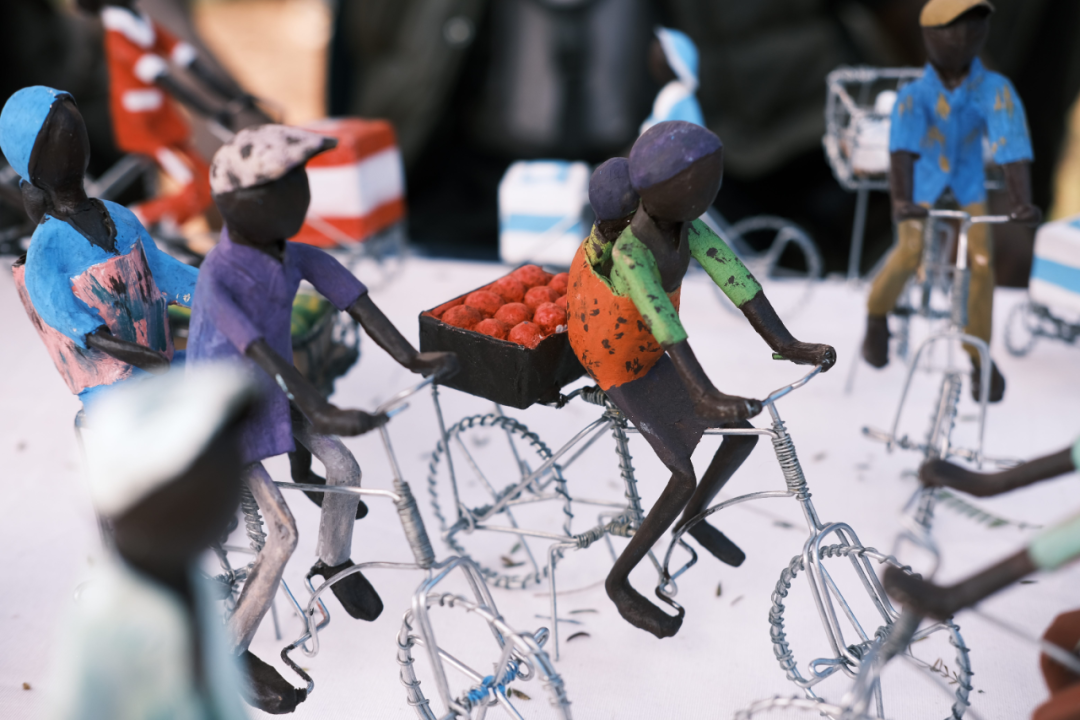
我时常思考津巴布韦的民族性是怎样的,但是那些抽象、宏大的命题总会在我遇到很多友善的人、温暖的事之后变得具体可感。记得有一次在Andrew司机的车里,他告诉我们这里的人们在问候时总是习惯于说“我们很好”而不是“我很好”,他说“我很好”那是美国式的,这里的人们总说“我们很好”,因为“我”一个人的身后站着我的家人、我的朋友和我的族人。很巧的是,刚到津巴,Grace女士给了我一个绍纳语名字Tanaka,我曾向很多当地人多次询问、求证这个名字的意义,他们都不约而同地告诉我“Tanaka means we are good.”(Tanaka意思是“我们很好”)。也不知道从什么时候开始,我已经非常自如地和遇到的每个人问候寒暄。也不知道从什么时候开始,我已经习惯了脱口而出“We are good, thanks.”来回应别人的问候。这一切就自然而然地发生了,正如我自然而然地就来到了津巴布韦。或许这里的民族就是温和的民族,他们热爱音乐舞蹈,崇尚集体主义的文化;又或许这只是我的肤浅感受,毕竟我自己的经历难以概括一个民族的特性,但是无论如何,他们都不会是富于侵略性的民族,或者说他们的民族性本就不激烈好斗。
I often pondered what the national character of Zimbabwe might be, but those abstract questions always became tangible after countless encounters with kindness. Once, in Andrew’s car, he explained that people here tend to say “We are good” instead of “I’m good” in greetings. The phrase “I’m good”, he said, was the American way; here, they say “We are good,” because behind every “I” stands one’s family, friends, and community. Coincidentally, soon after I arrived, a lady named Grace gave me a Shona name—Tanaka. Curious, I asked many locals for its meaning, and they all told me, “Tanaka means ‘We are good.’” Somehow, I gradually became completely at ease greeting everyone I met. Somehow, I grew accustomed to responding "We are good, thanks," without a second thought. Everything happened naturally—just as my coming to Zimbabwe had been natural. Perhaps this is indeed a gentle nation, one that loves music and dance, cherishes collective spirit. Or perhaps my impressions are too simple; after all, one person’s experience cannot define a nation. Still, I believe this is not an aggressive people—their nature is not one of confrontation, but of quiet strength.
布拉瓦约奇遇
Bulawayo Encounters
我们清晨出发前往布拉瓦约,一行七人乘着的白色小巴车。从首都哈拉雷出来,一路向西南深入大陆。布拉瓦约是津巴布韦的第二大城市,在西南与哈拉雷遥相对望。连接两大城市的就是普通的双向车道,铺了一层薄薄的沥青,时不时还有高高凸起的减速带。路况不算好,我们在后排时常被高高颠起,舟车劳顿睡不踏实,反倒给了我机会戴着耳机看看沿路风景。
We set out for Bulawayo at dawn—a group of seven in a small white minibus. Leaving Harare behind, we drove southwest, deeper into the heart of the continent. Bulawayo is Zimbabwe’s second-largest city, standing opposite Harare across the wide land. The road connecting the two cities was a simple two-lane highway, paved with a thin layer of asphalt, punctuated by high-speed bumps. The road conditions weren't great; those of us in the back were often jolted high. The tiring journey made proper sleep impossible, but it gave me a chance to watch the passing landscape.
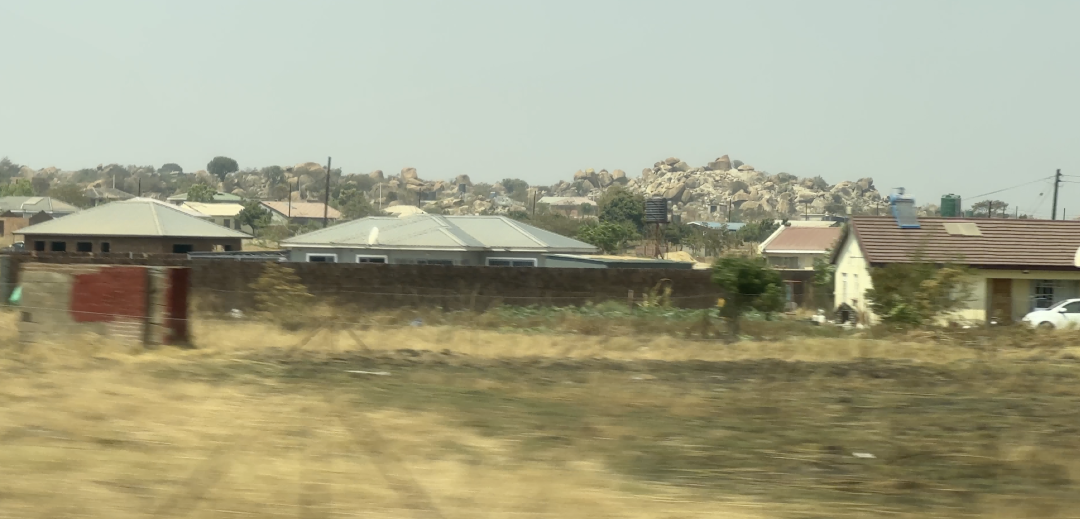
出了哈拉雷,可以看到远处的石头山,平坦的地形上,房舍渐渐低矮、零落,最终变成一会儿才能遇见的几个小茅草屋。一路上我分不清路旁的是倾颓的摩天轮还是高压输电塔。对了,这里当然不会有摩天轮。我猜想这条路应该是津巴布韦的主干道路了,因为一路上主要输电线就与我们保持并行,时而还会与津巴唯一的铁路交错。
Beyond Harare, hills of granite rose in the distance. The land flattened again; houses grew sparse and low, then disappeared, leaving only the occasional cluster of round thatched huts. I couldn’t tell whether the structures by the roadside were abandoned Ferris wheels or electrical towers—but of course, there would be no Ferris wheels here. This must have been Zimbabwe’s main arterial road, for the high-voltage power lines ran parallel to us, sometimes crossing paths with the country’s lone railway line.
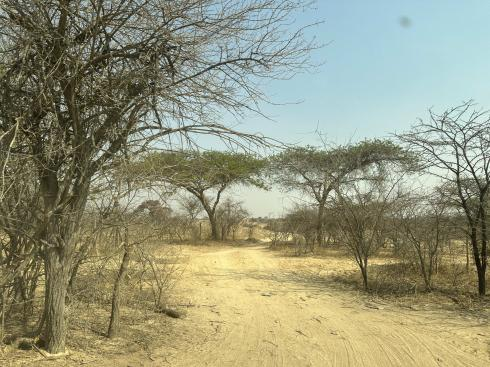
出发时窗外还是参天大树,在广袤的土地上舒展郁郁葱葱的树冠。这里土地广袤、鲜有人占据,每株大树只要有足够的水分就能够尽情舒展腰身。时不时地在郁郁葱葱的树冠之间还能看到一团团淡紫色的蓝花楹。几次颠簸,窗外的景象已经过渡到了广袤无垠的青黄,偶尔矗立着圆圆树冠的低矮树木。再往西南走,旷野上的荆棘树林长满密密麻麻的白色尖刺,至此我才更加懂得哈拉雷市区的植被有多美。偶尔有一团盘绕在树枝上的槲寄生,或者无花果形状的鸟窝悬挂在枝头。我们在一片荒芜中拐进了羚羊公园,在日落之前体验了第一次Safari。我们坐在高高的货车改造的Safari车上,前后左右寻找羚羊、野牛、长颈鹿的身影。
When we left the capital, the roadside trees were tall and leafy, their canopies stretching freely in the open space. Here, there is land enough for every tree to breathe, to expand its limbs fully if only it has enough water. Occasionally, among the greenery, a few clusters of lilac-blue jacarandas shimmered. After some miles, the green gave way to dry gold. The trees became shorter, their crowns round and thick. Further southwest, the wilderness turned to dense thickets armed with long white thorns—five or six centimeters long, bright as bone. It was only then that I realized how beautiful Harare’s vegetation truly was. Sometimes a parasitic mistletoe tangled around the branches, or a bird’s nest shaped like a fig hung precariously overhead. We turned off the main road and entered Antelope Park, just before sunset, for our first safari. We climbed into the high-seated truck and scanned the plains for antelope, buffalo, and giraffes.
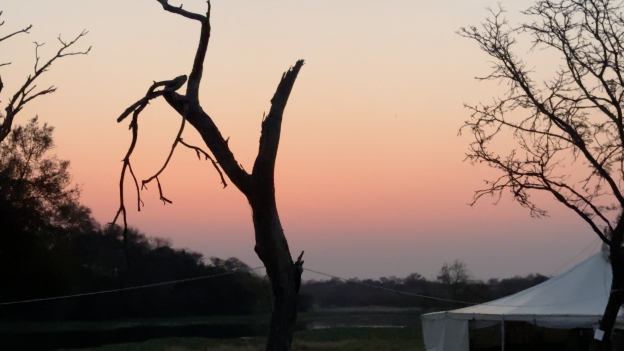
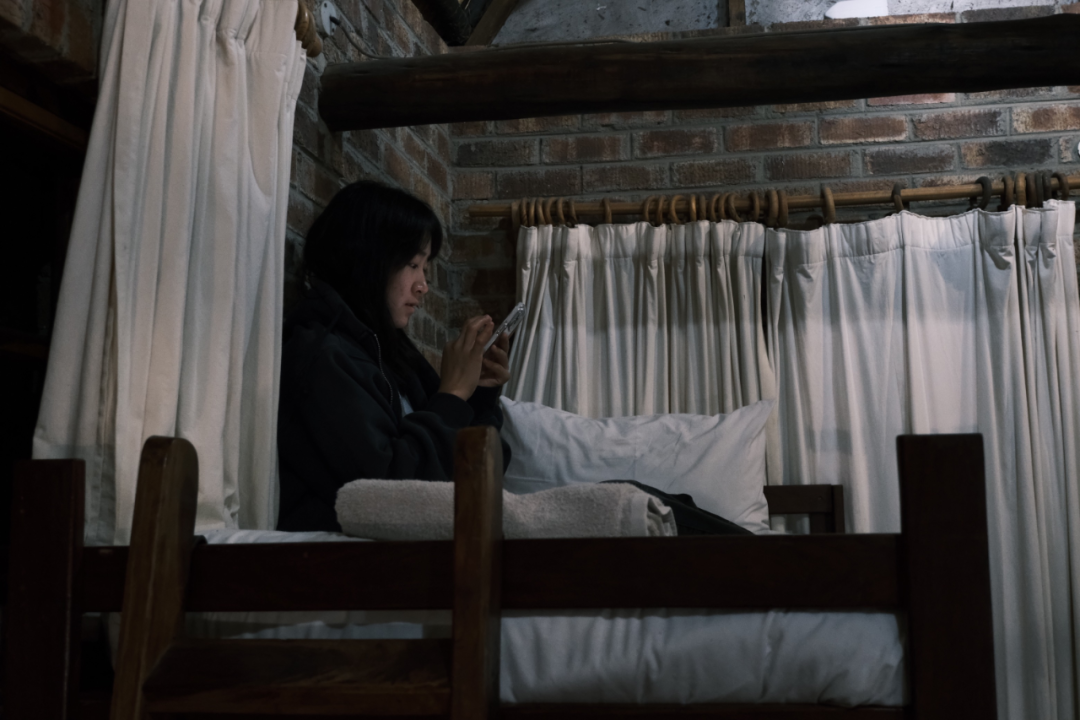
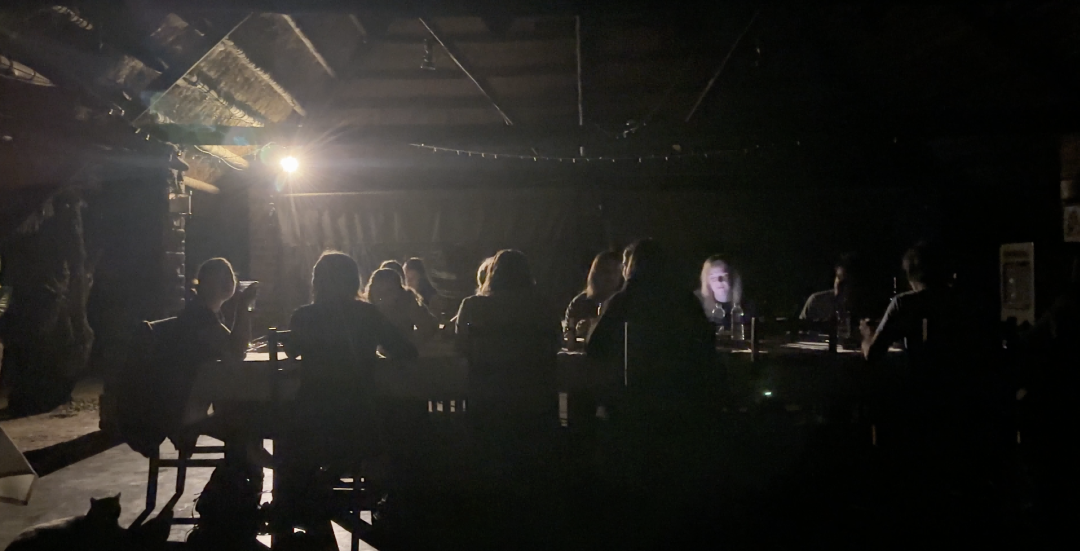
我们送别了河谷的静谧落日,围坐在茅草屋的昏暗灯光下吃晚餐。突然断电了,只有比星光稍亮的一盏应急灯。黑暗中,我们面对面坐着,我始终不知道那道美味甜品的全貌是怎样的,但好像我们心与心距离很近。此时,置身于野生动物栖息地中间的一片开阔河谷,远处传来野兽的低鸣,也许是角马或大象,还有沼泽地里的栖鸟啾鸣。好像有电也好,没电也好,月光已经足够我们欣赏自然的美了。这样的生活也自足优雅,我们随遇而安,回归最久远的人类作息,不再索求什么,心里已经很踏实了。
The air was vast and lucid; the light fell softly over the grasslands. We watched the sun sink behind the valley, and later, under the dim glow of a thatched-roof hut, we gathered for dinner. Then, suddenly, the power went out—only a single emergency lamp glimmered, barely brighter than the stars. In that darkness, we sat facing one another; I never saw clearly what the dessert looked like, only that it tasted sweet and unfamiliar. But it seemed our hearts drew closer in the dark. Out in the open valley, at the center of the wildlife reserve, we heard the distant lowing of beasts—perhaps wildebeests, perhaps elephants—and the sharp cries of marshland birds. It didn’t matter whether we had electricity or not; the moonlight was enough for beauty. There was grace in this simplicity, a return to humankind’s oldest rhythm. We asked for nothing more; our hearts were steady and full.

夏季去哪里



这里的一切都那么有攻击性,保护所里的狮子低吟怒吼让我们为之震颤,笼中的狒狒也会对着靠近拍照的我们发怒。甚至旷野里光秃秃的树枝上也全都长满了尖刺,雪白而醒目,足有五六厘米长,仿佛远远地就提醒正在靠近的动物“Stay away! ”。我想到这里的动物生存之艰,但转念又想到,原本也是为了保护自己残存的枝干树叶不被动物啃食,这些树木才长出了尖刺。它们不能主动击退来犯之敌,只能退而保护自己以求生存下去。这里的一切都那么有攻击性,但归根结底一切又都是那么温和,唯一的攻击性也是为了生存下去。如果你望向羚羊的眼睛、望向当地人的眼睛,在他们浓密纤长的睫毛下,闪烁着温和的光芒。
Everything here carried a kind of raw aggression. The lions in the reserve roared with such power that our chests trembled. Even the baboons in cages bared their teeth when we came too close for photos. Out in the wild, leafless branches bristled with white thorns—nature’s warning, Stay away. I thought of how hard it must be for animals to survive here. But then I realized: those thorns were not born for attack, but for protection. To keep their last green leaves from being eaten, the trees had grown weapons. They cannot fight back; they can only defend what remains. So yes, everything here is aggressive, but at its core, everything is gentle. Even aggression exists for survival. If you look into the eyes of an antelope—or into the eyes of the people here—you will see, beneath their long dark lashes, a calm and tender light.
我总被这里的自然风景和植被动物深深吸引。在这里,我的每个细胞都张开着去感受,每种感官都更加的灵敏。每次拍下落日晚霞、星辰月亮、不知名的花和大树,似乎毫无新意、平平无奇,但我真实地在为这些东西心动,也总会联想到苏轼的《前赤壁赋》:“惟江上之清风,与山间之明月,耳得之而为声,目遇之而成色,取之无禁,用之不竭,是造物者之无尽藏也,而吾与子之所共适。”自然就在那里,不用争取,此刻即是永恒,拥有了此刻也就拥有了永恒。
I found myself deeply captivated by the natural world of Zimbabwe—its landscapes, its creatures, its quiet vitality. Here, every cell in my body seemed open to sensation; every sense sharpened. Each time I photographed the sunset, the stars, the nameless flowers, the trees, I thought: perhaps these are ordinary things, not worth recording. Yet my heart stirred genuinely for them. They reminded me of an ancient Chinese line I had once read:
The sole exceptions are the cool breeze on the river, the bright moon over the hills. These serve as music to our ears, as color to our eyes; these we can take freely and enjoy forever; these are inexhaustible treasures supplied by the Creator, and things in which we can delight together. (Su Shi, “First Visit to the Red Cliff”, translated by Xu Yuanchong.)
Nature simply is. It does not need to be possessed. Each moment is eternal; to have this moment is to have eternity.
雨季降临
The Coming of the Rains
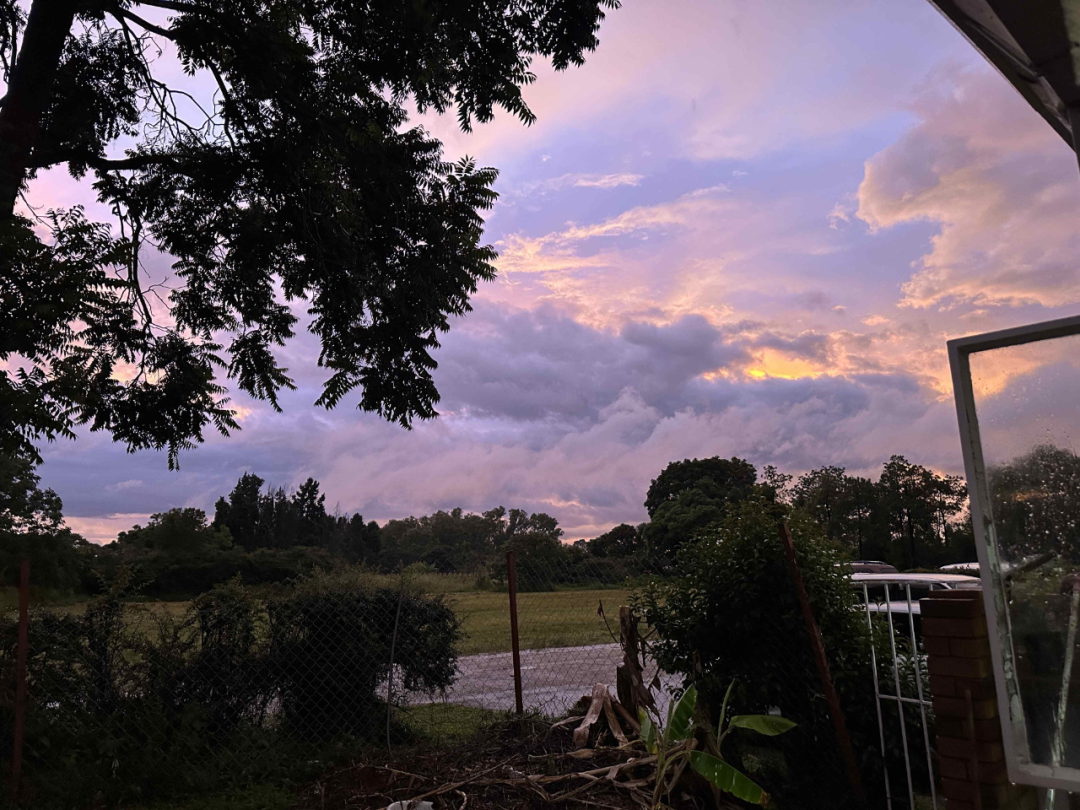
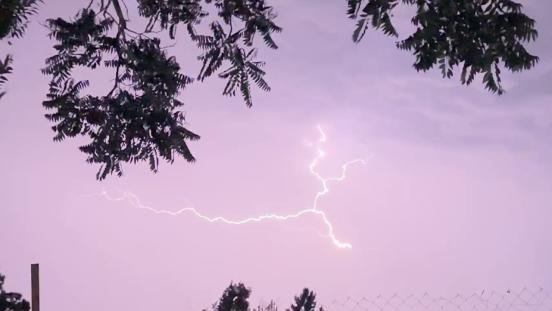
哈拉雷的雨水来得突然,先是闪电将天幕变成紫色的独特画作,雷声也爽快地回应,随后雨滴就毫不犹豫地落在屋顶。簌簌的声音中,我似乎听到了学生公寓传来的欢呼声。是的,雨季就在一个十月的夜里悄然降临,果断而肯定。
The rains came to Harare without warning. Lightning first turned the sky into a canvas of violet, thunder answering boldly, and then—without hesitation—the rain began to fall upon the rooftops. Through the rustling sound, I thought I heard cheers rising from the student dormitories. Yes—the rainy season had arrived quietly, one October night, swift and sure.


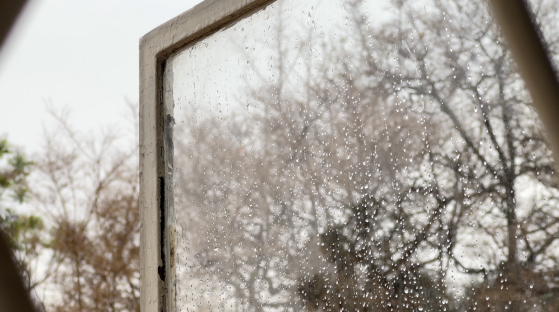
迟来的雨季让一切蓄势待发,我无数次在荒芜空阔的土地上看到了生命的磅礴和丰盛。和雨季一同降临的,还有对我这个新手教师的挑战;但和植物一同快速生长的,也同样有我。
The long-delayed rain awakened everything.I witnessed, again and again, how life surged from the barren soil with fierce abundance.And along with the rains came challenges—for me, a novice teacher; but growing as rapidly as the plants, was I myself.
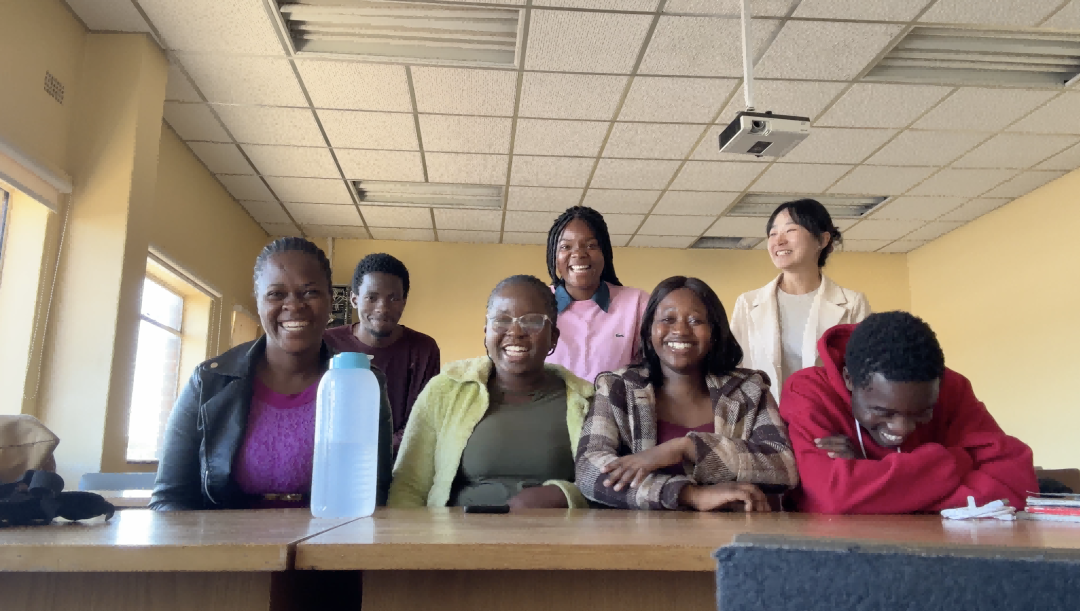
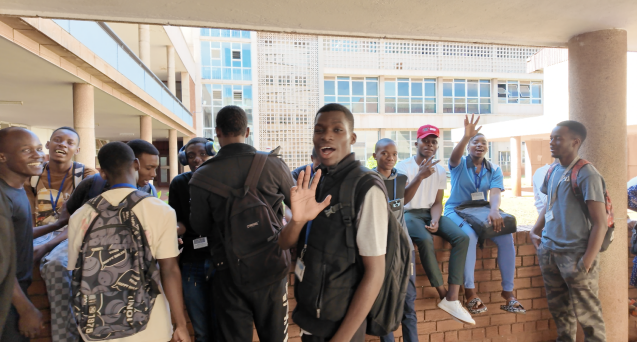
我在津大中文角课程带了6名HSK4级水平的学生,第一节课我了解了他们各自的名字和意义,课后根据他们姓名的美好寓意给他们取了中文名。景哲贤、马天依、田恩花……此后的课程他们更愿意称呼自己的同伴中文名字,我可以看出他们很喜欢自己的中文名。尽管他们正在备考HSK4,但浓重的口音让我一度迷失了教学的方向:在课程之初,我花了大量的课堂时间纠正学生的语音偏误。不久我便发现,不仅教学过程很辛苦,大家的热情好像还有些减退。我迅速反思做出调整,更加注重理解意义,积极鼓励大家表达自己,而把纠正发音放在必要时进行。于是我发现,他们提出的问题越来越有难度,越来越符合甚至超过我对四级学习者的预期。比如,丹妮丝从一开始会提问我某些简单词语的读音和意义,而现在却开始思考“细心”和“仔细”的区别、“再”和“又”的区别、“和”跟“与”的区别……从他们提问的变化中,我目睹了他们汉语水平的进步。
At the University of Zimbabwe’s Chinese Corner program, I taught six students at HSK 4. In our first class, I learned their Shona names and their meanings, and afterward I gave them Chinese names inspired by those meanings—Jing Zhexian(景哲贤), Ma Tianyi(马天依), Tian Enhua(田恩花)…Soon, they began calling each other by their Chinese names, and I could tell they liked them. Although they were preparing for the HSK4 exam, their strong accents initially led my teaching astray. At first, I spent much of each class correcting pronunciation errors. But before long, I realized this approach was draining our energy—the students’ enthusiasm waned. I reflected and shifted focus: emphasizing meaning and encouraging expression, correcting pronunciation only when necessary. Gradually, their questions became deeper, more nuanced—surpassing what I had expected from HSK 4 learners. Denise, for instance, once asked about simple words; later she began to ponder the difference between xìxīn (细心, careful) and zǐxì (仔细, attentive), between zài (再, again in the future) and yòu (又, again in the past), between hé (和, and) and yǔ (与, and, formal).
我鼓励他们充分利用各种中文学习资源,锻炼自学的能力,不再依赖老师获得“标准答案”。于是我惊喜地发现,他们越来越能够提出有价值的问题,做出深刻的思考并努力用汉语表达出来。我们的课堂从一开始的“纠音大作战”逐渐变得充满了活跃的思维和自主的表达,学习同伴之间的互动越来越积极,提出的问题也越来越有趣。我和他们一起欣喜地成长,无论是我的语言水平还是教学能力,都在一次次思考他们提出的问题时,获得新的蜕变。
Through the evolution of their questions, I witnessed their growth. I encouraged them to use every available Chinese resource, to rely less on “the teacher’s correct answer,” and to cultivate self-learning. To my surprise and joy, they began asking more valuable questions, thinking more deeply, and expressing themselves more freely in Chinese. Our classes evolved—from “pronunciation battles” to vibrant sessions filled with thought and self-expression. Peer interactions grew more active, discussions livelier, and the questions more intriguing. We learned and grew together. Their progress in language mirrored my own growth as a teacher—each of their questions reshaped my understanding.

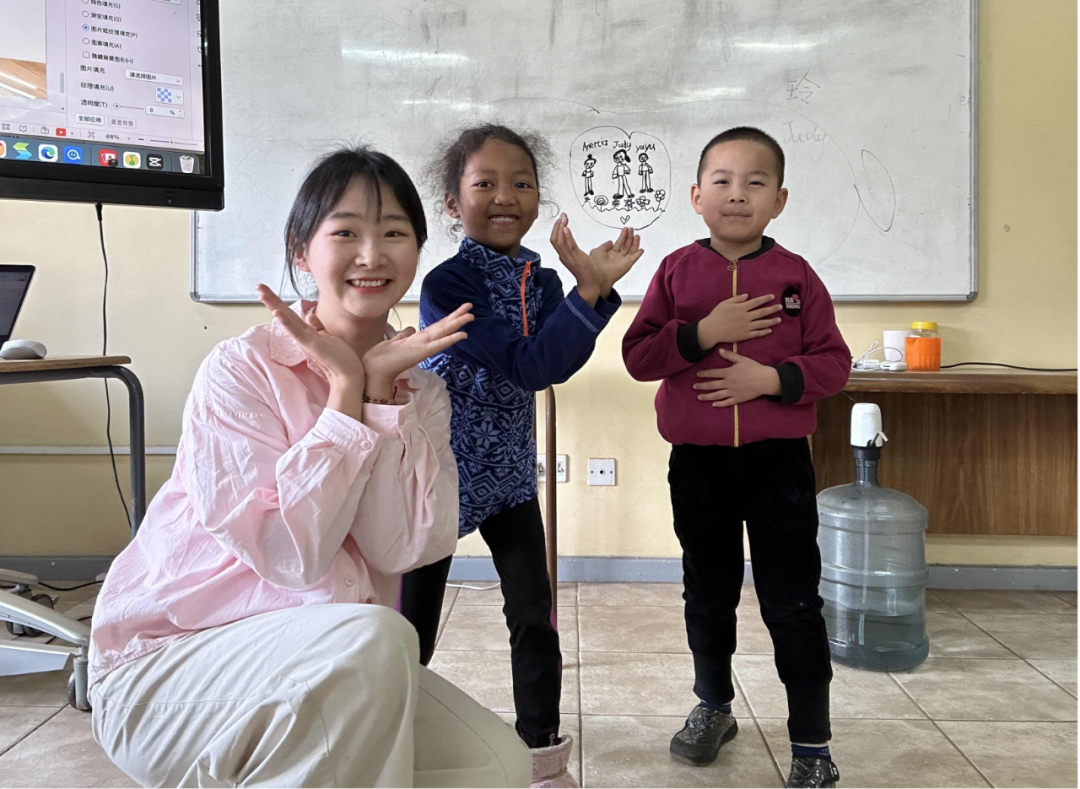
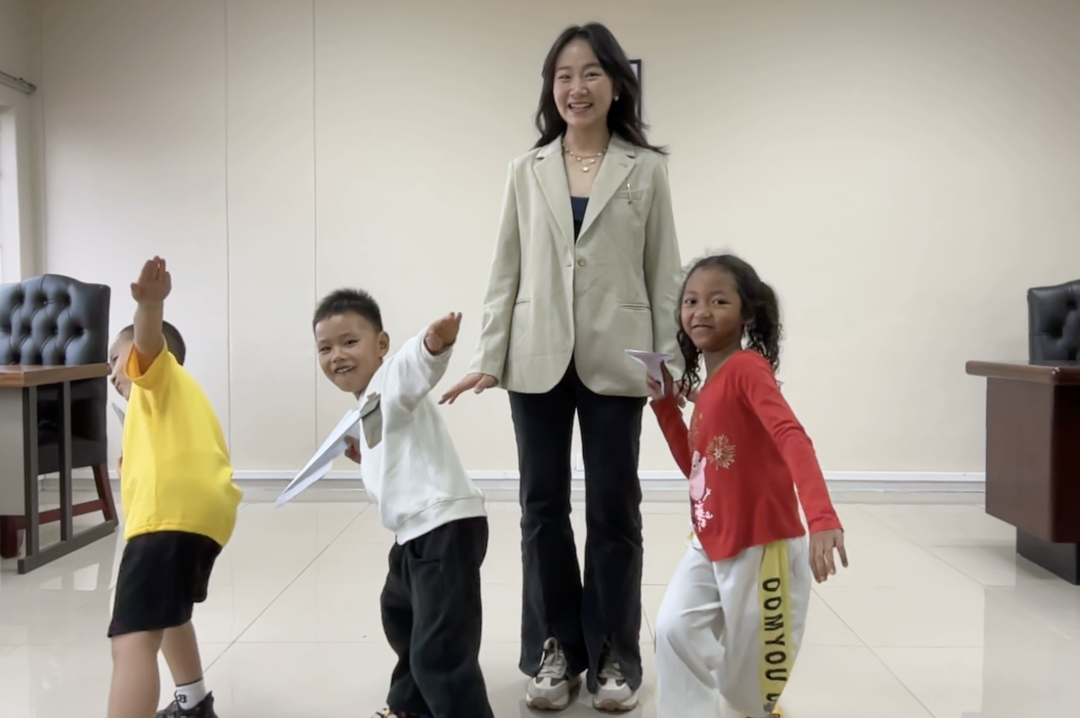
除了HSK4级的学生,我还有一群可爱的中国小朋友学生。我先后带领了十余名小朋友的中文社会班,学段集中于一年级预备班和一年级。起初,我一度因为这个年龄段的课堂管理难度倍感压力。但随着日复一日的相处,我发现了每个孩子的独特之处,我并非在面对一群孩子,而是面对一个个活泼可爱、天性迥异的他们。当他们整齐划一地唱出汉语拼音歌,开心时无意哼唱《勇气大爆发》,自信地朗诵“江南可采莲……”,一笔一划写下“天 地 人”时,我知道,我在他们身上多少留下了些什么。同样,他们也在我这里留下了更宝贵的东西。
Beyond my HSK students, I also taught a group of lovely Chinese children—about ten in total, mostly in preparatory or first grade. At first, managing such young learners was daunting. But over time, I discovered each child’s distinct spirit. I was not teaching “a group of children,” but meeting many small, unique souls—bright, mischievous, and infinitely curious. When they sang the Chinese pinyin song in unison, hummed “Yǒngqì Dà Bàofā” (Courage Explosion) while playing, recited lines like “In the South, lotuses may be picked…” (from “Jiangnan”), and carefully wrote the characters for “天, 地, and 人,” I felt I had left a small mark upon them. And they, in turn, had left something even more precious in me.

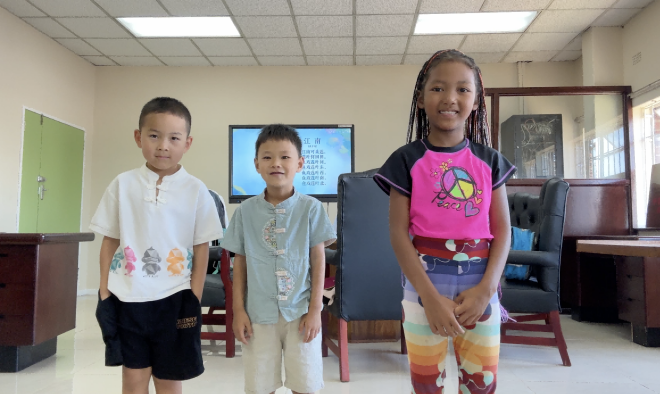
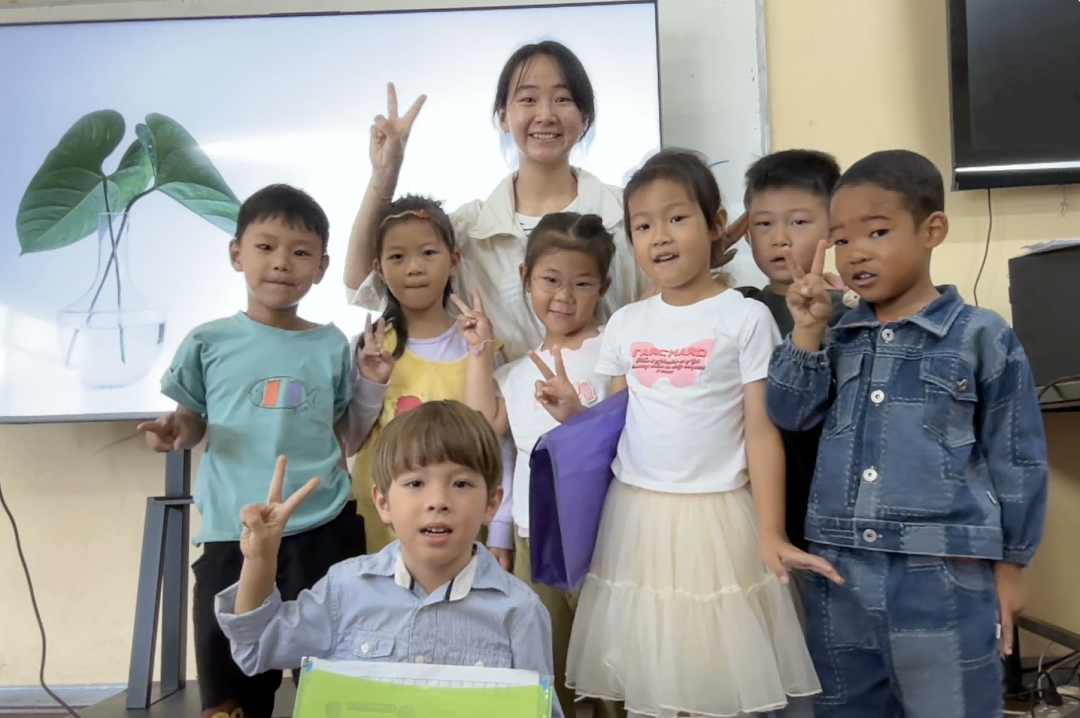
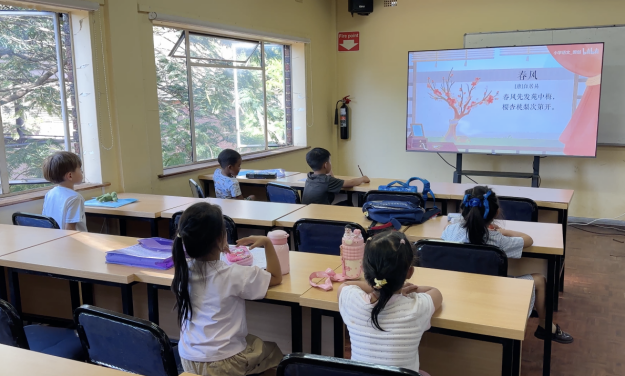

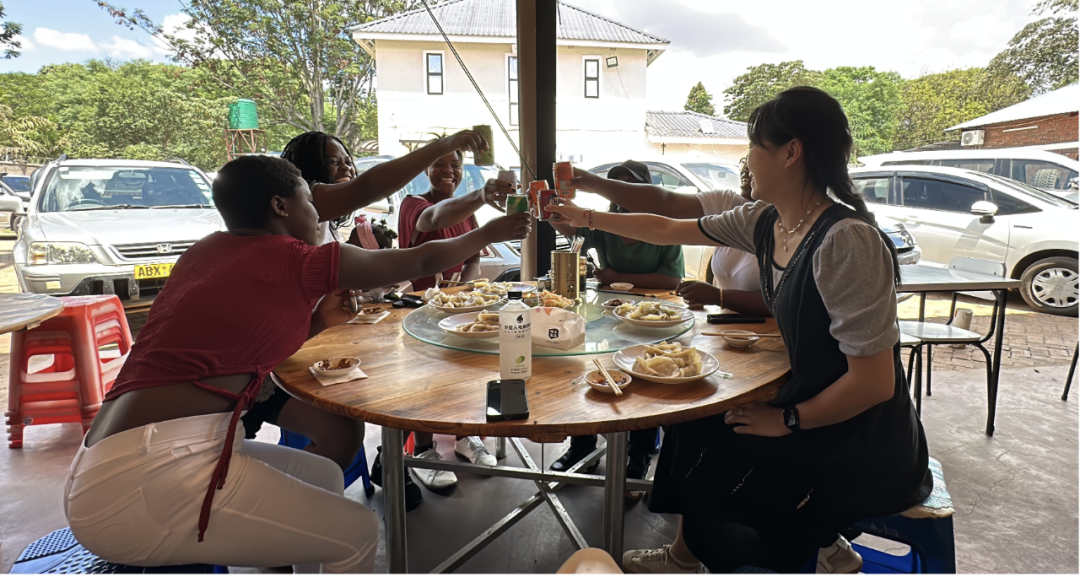
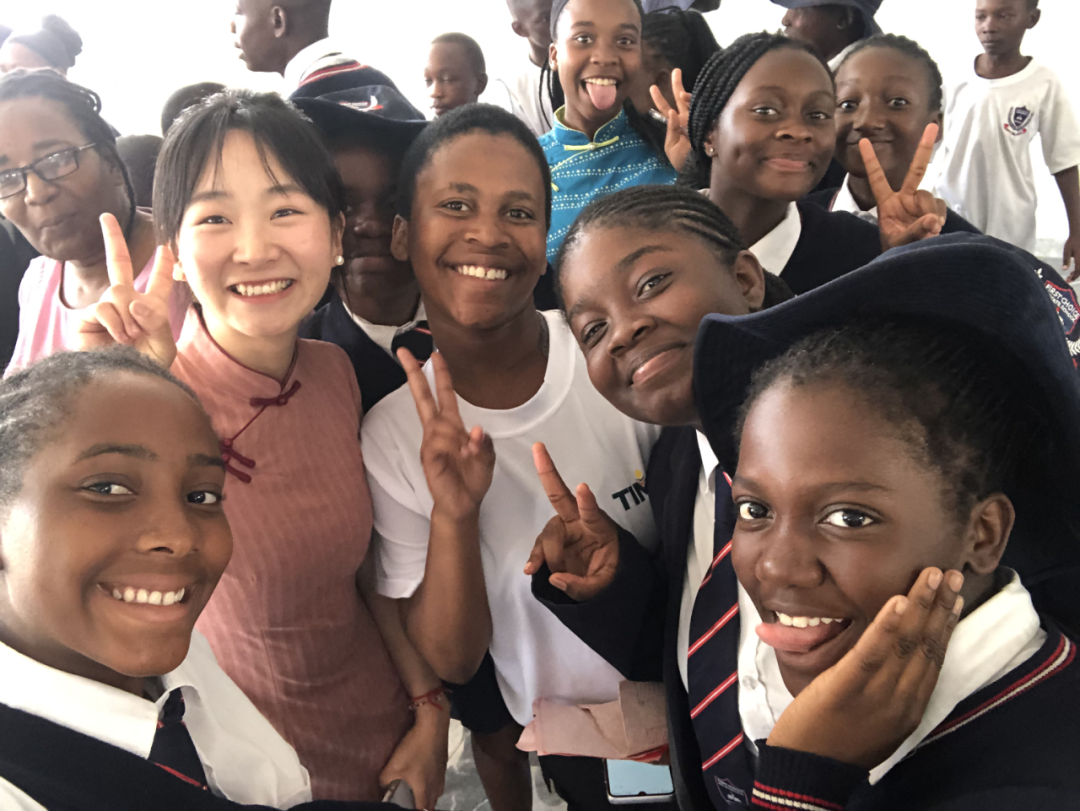
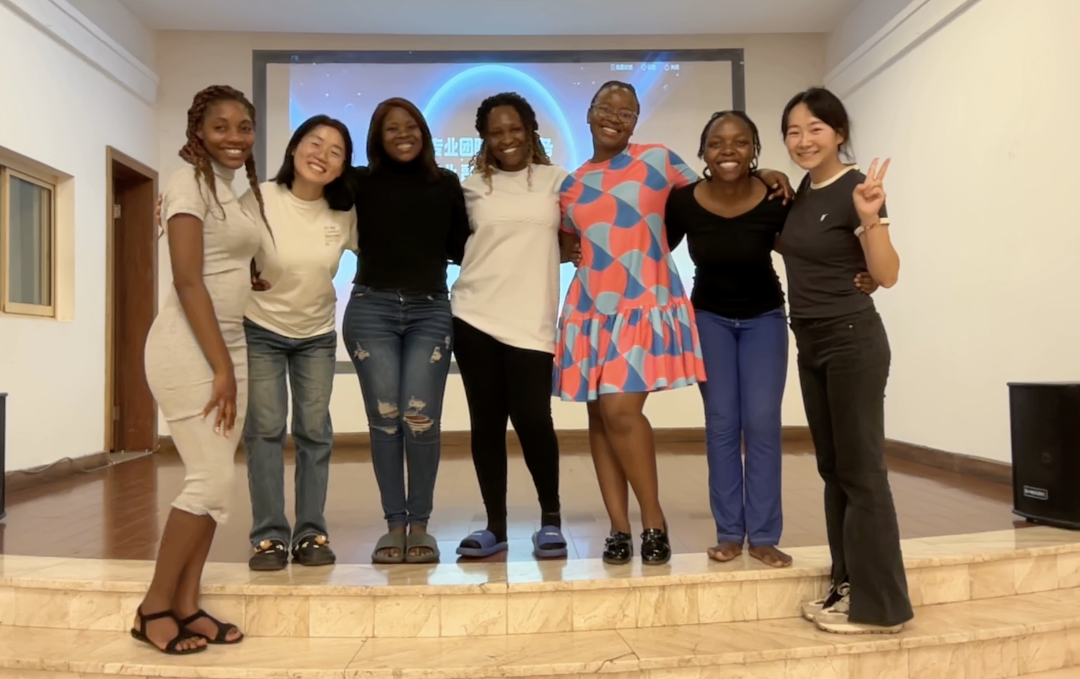
如果语言能力、教学能力和课堂管理能力的提高已足够可喜,那么我在这里和那么多人逐渐建立的深刻情谊将更值得铭记。我和HSK4级班的学生在学期结课后一起到中餐馆品尝饺子,有人把我们的合影用作头像,我便知道对于他们来说那是难忘的。
Improvement in language, pedagogy, and classroom management was gratifying—but the genuine friendships I formed here meant even more. After the semester ended, my HSK4 students and I shared a farewell meal of dumplings at a Chinese restaurant. Later, some used our group photo as their profile picture. When I saw that, I knew it had meant something to them.
任期结束回国后,他们总能间或与我取得联系,和我分享近况、诉说想念。一年后蓝花楹再次盛开时,恩花拍下了津大校园往日熟悉的风景与我分享,告诉我蓝花楹又开了,她很想我,我何尝不是。马图图与我分享毕业和升学的喜讯,丹妮丝一如既往努力地学习中文并向我提问,景哲贤则已如愿来到中国留学,并时常乐于分享他在海南的经历和趣事。
After I returned home, they would still reach out from time to time—sharing updates, stories, and memories. A year later, when the jacarandas bloomed again, 恩花 sent me photos of the familiar campus, saying she missed me. And I missed her too. 马图图wrote with news of graduation and further study. 丹妮丝continued to learn Chinese diligently, sending me thoughtful questions. And 景哲贤 had finally come to study in China, often sharing his new life and little adventures in Hainan.
尾声
Epilogue
我想,正是这段美好的旅途让我照见自己。远离熟人,说不同的语言,未知的一切或许让人手足无措,但也能感觉到自己和这片土地日益产生联结,也是在这种状态下,我的感知变得格外敏锐,我的成长变得格外迅速。我走过津巴的那些地方,每到一处都感觉不虚此行。
I think—it was this beautiful journey that allowed me to truly see myself. Away from the familiar, speaking a different language, uncertain of what lay ahead, could be disorienting, yet I could also feel, day by day, my connection to this land deepening. It was in this state that my perceptions became exceptionally sharp, and my growth remarkably rapid. Everywhere I went in Zimbabwe, I felt that it had been worth the journey.
我行过——
但也许我留下了自己
细小的声音,
留下了我的笑和我的泪
还有一小张纸上
黄昏树的问候
在经过的一刻,
无意间,我
点亮了路边
一盏或两盏
心的灯火。
——节选自《我何其无用》,希尔德·多敏诗集《只有一朵玫瑰支撑》,黄雪媛译
“I passed through—
Yet perhaps I left behind
A small sound of my own,
My laughter and my tears,
And on a scrap of paper,
A greeting from a tree at dusk.
At that fleeting moment,
Without intending,
I lit by the roadside
One or two
Small lamps of the heart.”
—from “How Useless I Am” by Hilde Domin, translated by Huang Xueyuan, There Is Only One Rose to Support Me.