
“汉语桥”夏令营(4)|推开中国之门的夏日奇遇
2025-06-22
点击量: 次浏览
The moment I stepped off the plane and landed in Hainan, the tropical breeze carried whispers of adventure. This marked the beginning of a summer camp experience that left a mark on my understanding of China’s rich heritage, technological ambition, and warm hospitality. The University of Zimbabwe and the Confucius Institute gave me the opportunity to participate in the summer camp hosted by Hainan University. The program offered not only academic enrichment but a deep dive into a civilization where ancient traditions and modern innovation coexist harmoniously.
当我踏下飞机,抵达海南的那一刻,热带的海风仿佛在耳边低语,一场充满探索与惊喜的旅程即将开启。这次夏令营之行不仅让我深刻理解了中国丰富的文化遗产、科技雄心和热情好客的民风,更在我心中留下了深深的烙印。非常感谢津巴布韦大学和孔子学院的推荐,使我获得了这次宝贵的机会,让我能够参加由海南大学举办的夏令营项目。这不仅是一次学术之旅,更是一场穿越古今、感受中华文明与现代科技和谐共存的文化体验。
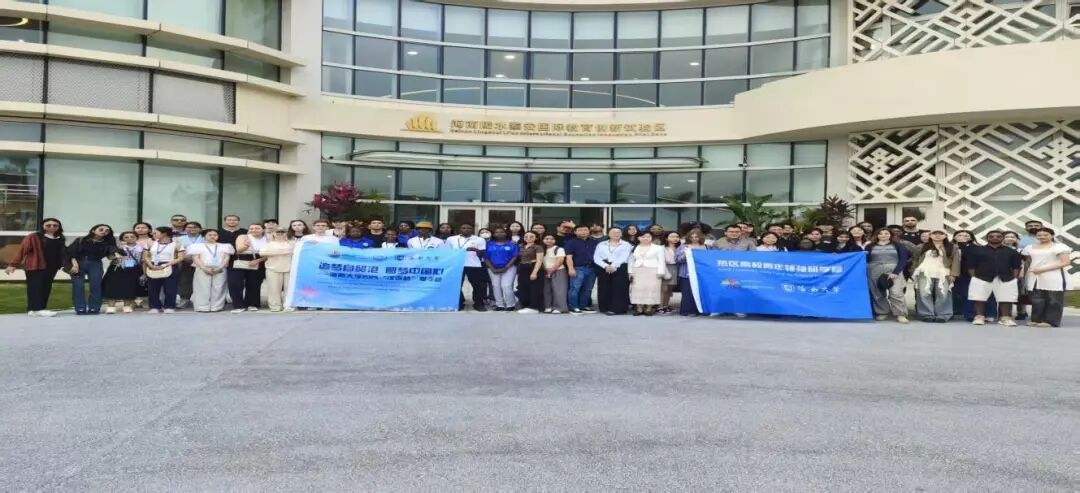
On the 14th of April we attended an opening ceremony, where the atmosphere buzzed with excitement and the rustle of international flags. Delegates from the Tropics took to the stage with their speeches which aired a shared vision for the future of education in the age of artificial intelligence. The delegates also stressed on the idea of student exchange programmes as part of a cultural exchange agenda.
4月14日,我们参加了开营仪式。各国代表手持旗帜,现场气氛热烈而庄重。来自热带地区联盟学校的代表登台发言,表达了对人工智能时代教育的共同愿景,同时强调了学生交流项目在推动文化互通中的重要作用。
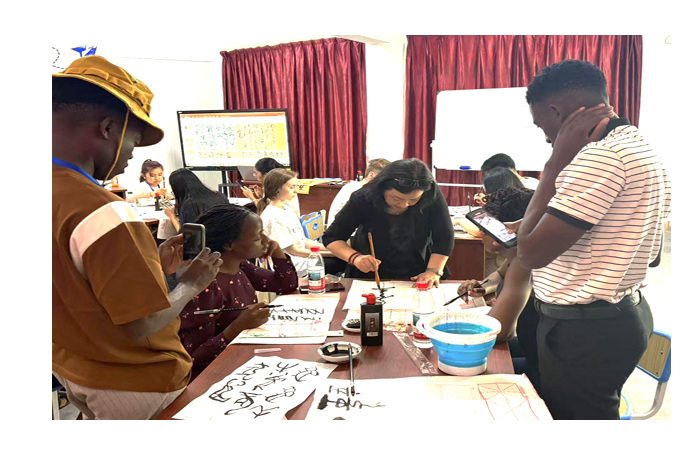
During the Calligraphy class it was my first time to hold a Chinese brush, I felt the weight of millennia-old artistry in my hands. Under the guidance of master calligraphers, I learned that each stroke in traditional painting is deliberate and symbolic.
在书法课上,我第一次握起毛笔,感受到了千年艺术的分量。在老师的细致指导下,我慢慢体会到书法和国画中每一笔、每一画的讲究与深意。
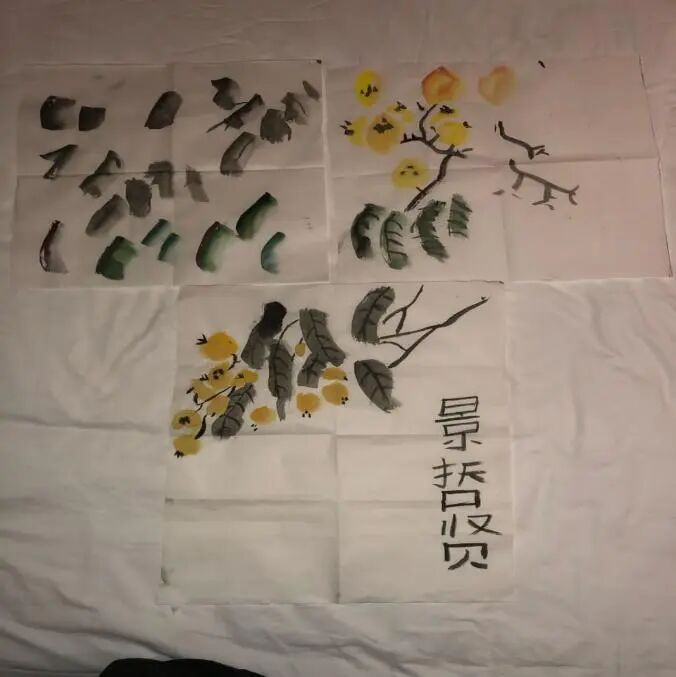
My work of Calligraphy
我的书画作品
Similarly, the pottery class became a lesson in humility. Molding clay into a teapot and other ceramics, I marveled at how China’s ceramic legacy, dating back to the Neolithic era, continues to thrive in modern workshops. These hands-on experiences transformed my appreciation for art as a language of cultural identity.
陶艺课则让我学会了谦卑。从揉泥、拉坯到成型,我尝试制作茶壶等陶器,过程中深感中国陶瓷艺术的博大精深。从新石器时代延续至今的陶瓷技艺,在现代依旧充满生命力。通过这些实践活动,我认识到艺术是文化认同的一种语言。
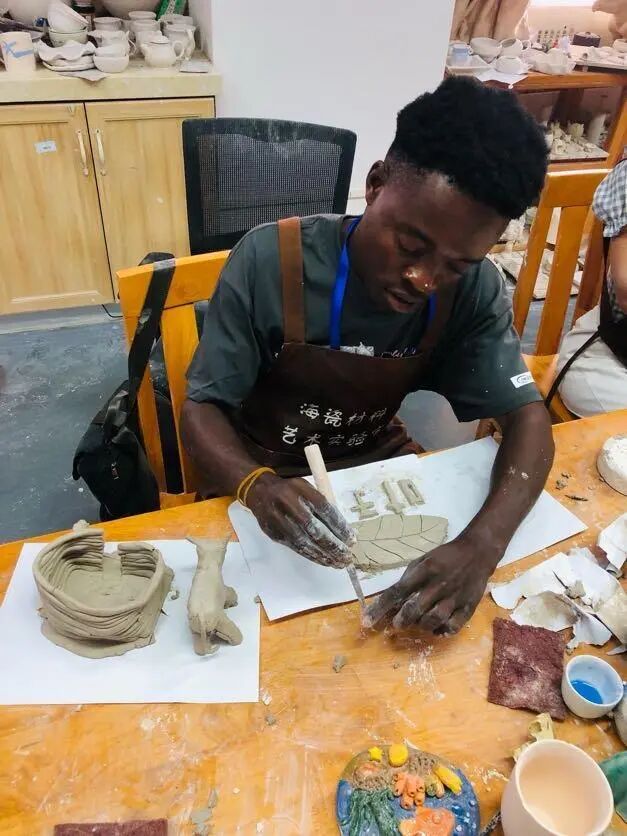
Learning to Mould
陶艺学习现场
China’s 56 ethnic groups, each with distinct traditions, fascinated me. In history lectures, we explored how dynastic upheavals and foreign invasions shaped the nation’s resilient spirit. A visit to the China Museum of the South China Sea deepened this understanding. Amidst ancient maritime artifacts, I was struck by exhibits showcasing African relics, a testament to China’s recognition of global cultural interconnectedness.
中国有56个民族,每个民族都有其独特的风俗和传统。在历史课堂上,我们了解了中国在朝代更替和抵抗外来入侵中的不屈精神。而在参观中国(海南)南海博物馆时,这一认识更加深刻。馆内陈列的古代海上文物中,竟还有非洲的文物展品,展现出中国对全球文化互联互通的重视。
My initial struggles with Mandarin listening skills were daunting. Our teachers turned challenges into games, rewarding correct answers with trinkets like miniature terracotta warriors. Over time, the complicated unfamiliar tones began to crystallize into meaningful words. Music classes further bridged the gap, singing folk songs like “茉莉花 (Mo Li Hua) and 甜蜜蜜(Tian Mimi) taught me the rhythm of the language, while group karaoke sessions dissolved linguistic barriers with laughter. My speaking and listening skills improved through these interactive classes.
起初,我在中文听力上遇到了一些困难。但老师们将挑战变成了游戏,用小兵马俑等小礼物奖励正确答案。慢慢地,那些陌生复杂的语音变成了有意义的词语。音乐课更拉近了我与语言的距离,我们学唱了《茉莉花》《甜蜜蜜》等民歌,卡拉OK环节也让语言障碍在欢笑中悄然消散。我的口语和听力能力因此大大提升。
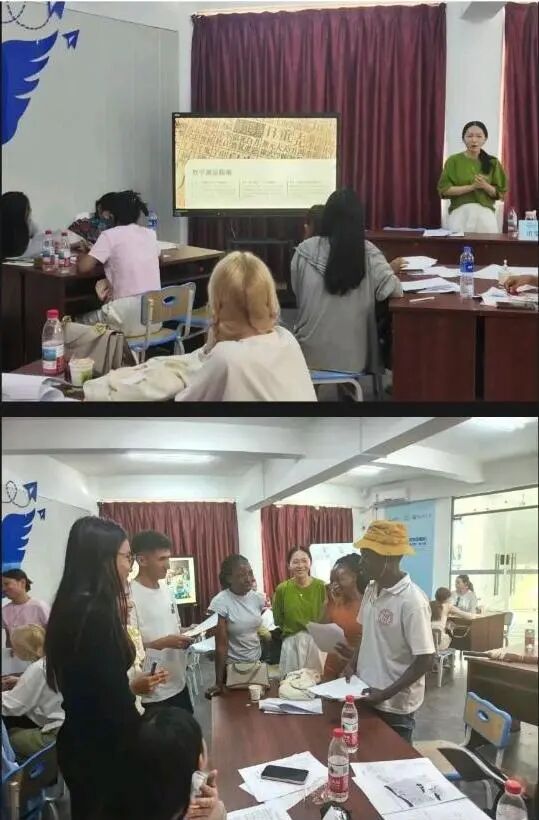
Our Chinese lecture teaching us Speaking.
我们的中文老师在教我们口语
A tour of Wenchang City’s space facilities revealed China’s soaring ambitions. Engineers explained eco-friendly rocket launches and coastal conservation efforts, proving technological advancement need not come at nature’s expense. Standing before a monument honoring astronauts, I realized how deeply China venerates its pioneers—whether exploring outer space or preserving earthly ecosystems.
在文昌市的航天设施参观中,我见识到了中国科技发展的雄心。工程师们介绍了环保火箭发射及沿海生态保护,让我认识到科技进步与自然保护并不冲突。在那座纪念宇航员的碑前,我深切感受到中国人对探索宇宙和守护地球的敬意。
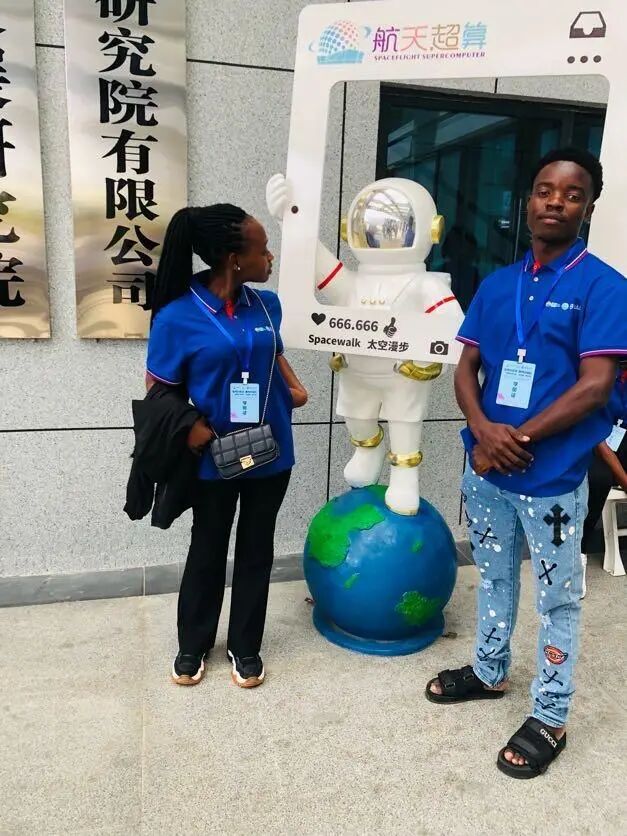
A colleague and I posing for Picture in Wenchang City Space Buiding
我和同事在文昌市航天大楼前合影
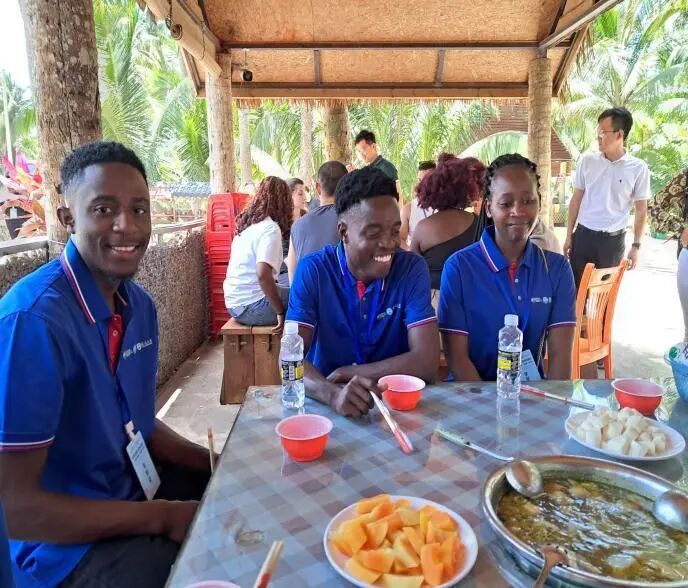
In Wanning City, endless coconut plantations framed the landscape. A hot pot dinner with locals became a highlight. As we dipped fresh seafood and vegetables into simmering broth, a teacher remarked, “In China, shared meals are shared joy.”
在万宁市,成片的椰子林令人震撼。当地人邀请我们共进火锅晚餐,大家围坐一桌,将新鲜的海鲜和蔬菜涮入热腾腾的锅中。老师感慨地说:“在中国,共享一餐,就是共享快乐。”


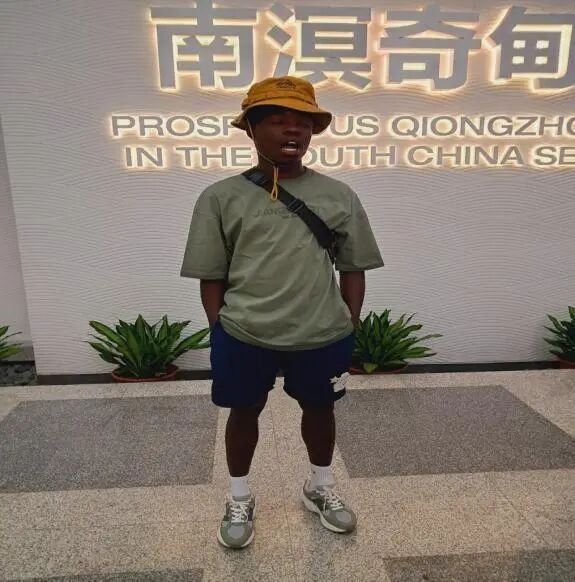
During the Summer Camp in Hainan we visited the China Museum of South China Sea, where I came across artefacts that have been protected for thousands of years, as they exhibit the origins of China Civilization. Another exciting thing that I noted with the museum was the existence of African artefacts, a signal that reflected China’s appreciation of African civilization.
在海南夏令营期间,我们参观了中国(海南)南海博物馆。这里收藏着许多珍贵文物,部分文物已有数千年的历史,展现了中华文明的源远流长。让我感到惊喜的是,馆中还展出了非洲的文物,这表明中国对非洲文明的认同与尊重,也反映出中非文化交流的深厚基础。
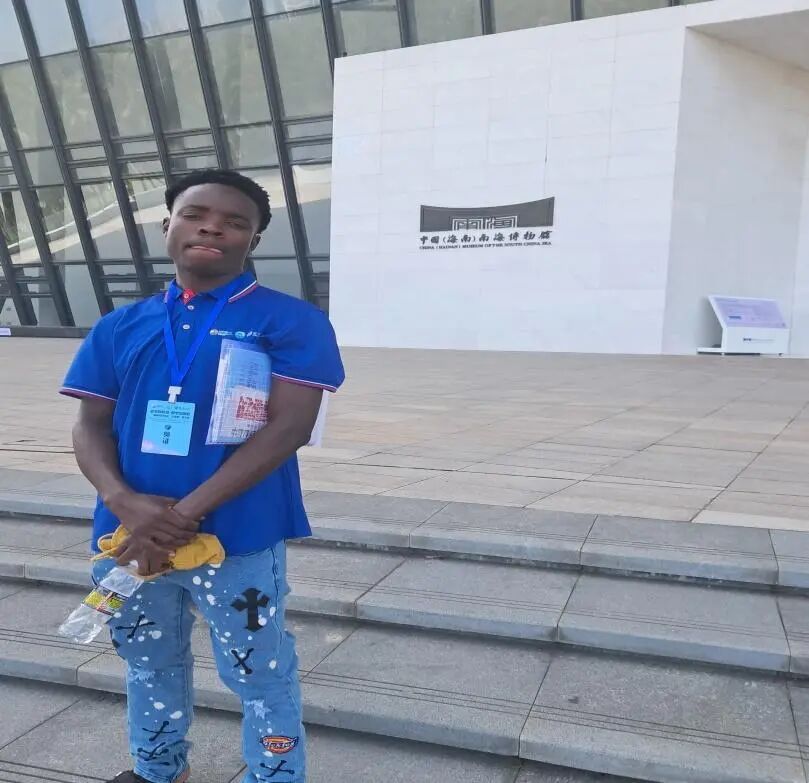
At the Entrance of the China Museum of South China Sea
南海博物馆门前合影
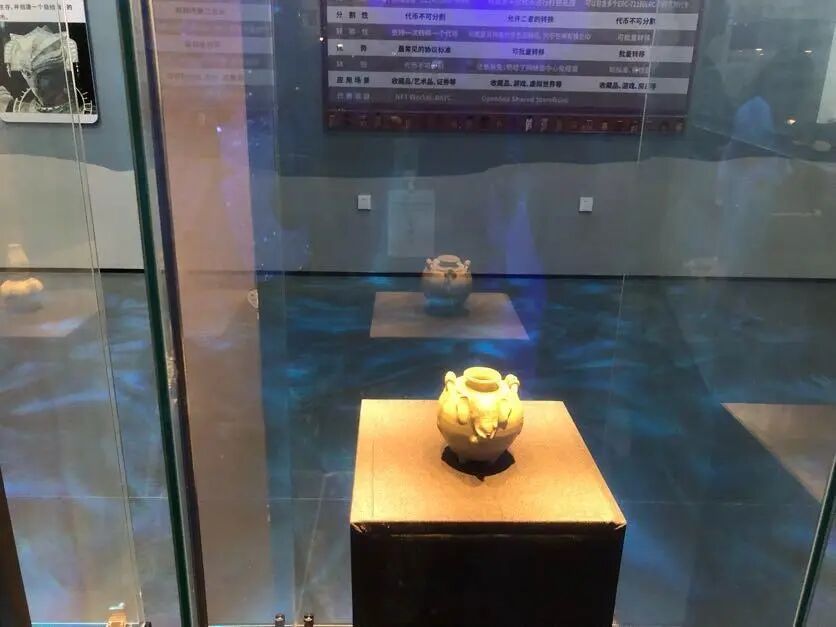
One of the Artefacts in the Museum
馆内珍贵文物展示
We also had the opportunity to pay a visit to the Boai Street in Hainan, where I witnessed how the inhabitants in China are attached to their cultural beliefs.
我们还参观了海南的博爱街。走在街上,我深刻感受到中国人民对本土文化信仰的执着与热爱。在那里,我们看到一座庄严的庙宇,街道两旁充满着传统文化氛围。
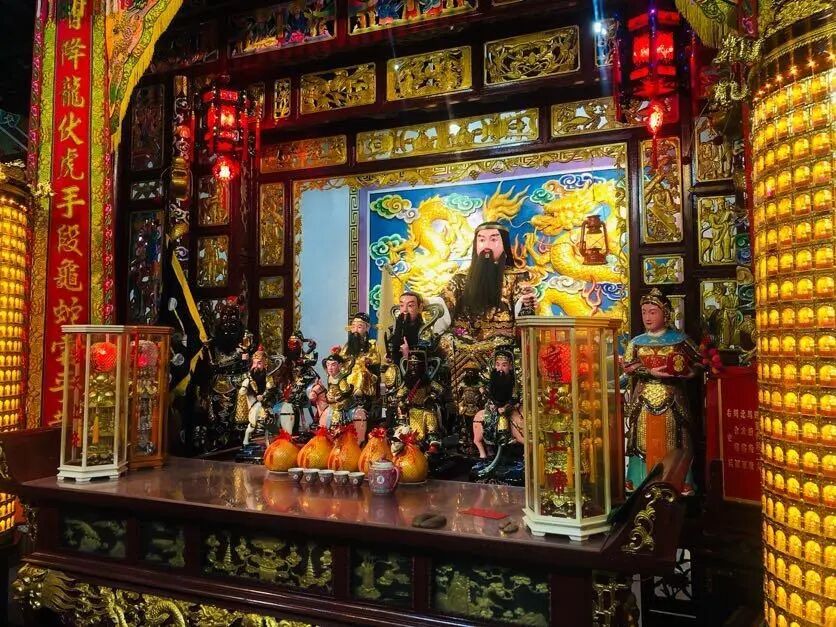
The Temple in BOAI
博爱街上的庙宇
This philosophy of communal harmony extended to Boai Street, where children greeted us with giggles and engaged in singing and drama, I found the event so exhilarating.
这种追求“和谐共处”的文化理念在博爱街上体现得淋漓尽致。孩子们向我们热情地问好,还为我们表演了歌唱和戏剧节目,现场气氛热烈、欢乐,我也被那种纯真的热情深深感染。
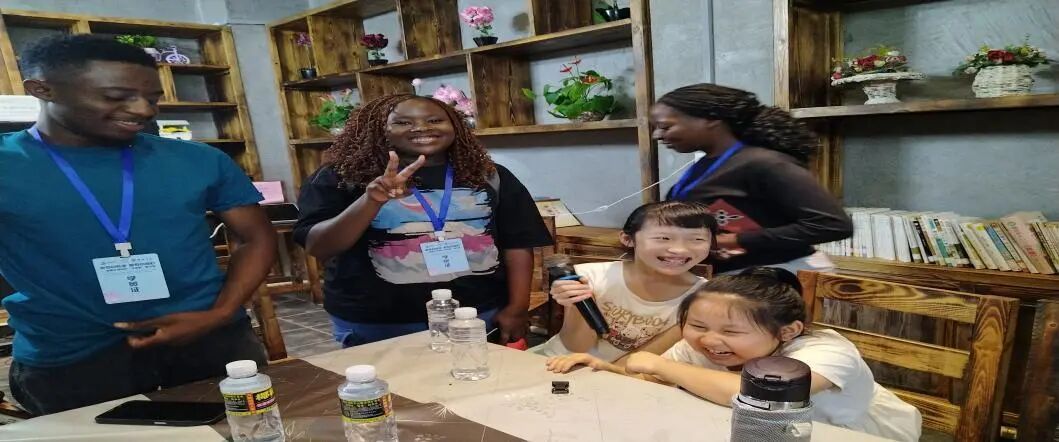
The Children enjoying the moments
孩子们在表演中尽情欢乐
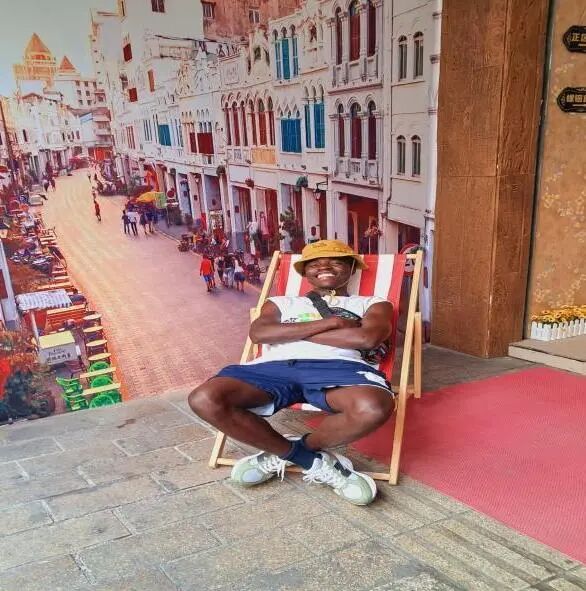
The Hainan Museum in Haikou was a portal to the past. From ethnic costumes to Qing-era cannons, each exhibit told stories of resilience. Later, wandering Qilou Old Street’s arcaded buildings, I admired how Hainan preserves its architectural soul amid urbanization. Locals posed patiently for photos, their pride in heritage palpable.
海口的海南省博物馆则像一扇时光之门,将我们带回历史长河。展馆内陈列着民族服饰、清代火炮等珍贵展品,每一件都诉说着中华民族坚韧不屈的历史。随后,我们漫步在骑楼老街,欣赏那一座座拱廊式的老建筑,感受到海南在现代化进程中对传统建筑的用心保护。当地居民热情友好,愿意与我们合影,他们脸上洋溢着对本土文化的自豪。


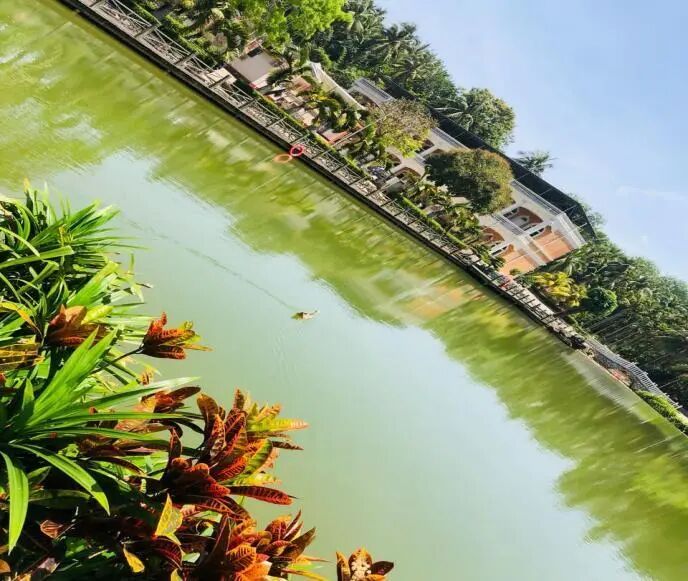
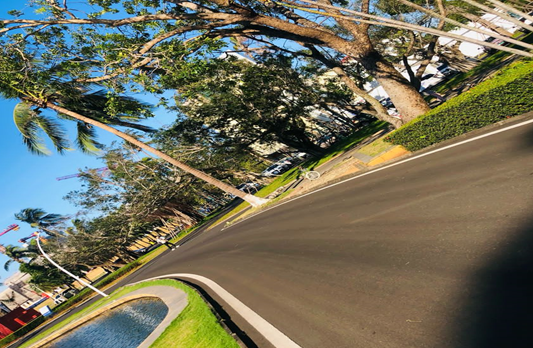
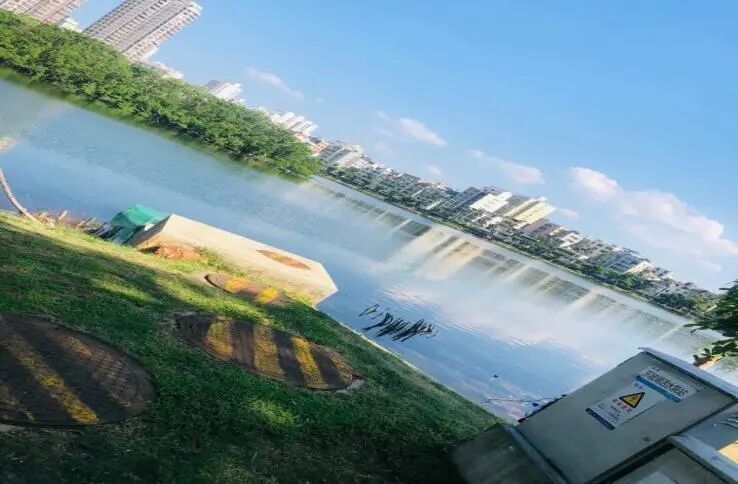
There are a number of beautiful sites I visited during the Summer Camp and the unique feature is how the Chinese people maintain their environment with ponds and trees.
在夏令营期间,我还参观了许多美丽的景点。其中让我印象深刻的是中国人民对生态环境的细致呵护——道路两旁绿树成荫,校园内池塘清澈见底,环境井然有序。


My trip to China became a passage for me to connect with individuals from diverse cultural backgrounds. It offered me an opportunity to connect with people from countries such as Cambodia, Afghanistan, Russia, Vietnam as well as China itself. These connections underscore the power of international collaboration, where unity and mutual respect prevail.
这次中国之行也让我与来自不同文化背景的人建立了深厚的联系。我有幸结识了来自柬埔寨、阿富汗、俄罗斯、越南以及中国本地的朋友。我们在学习、活动和交流中建立了珍贵的友谊,这让我更加体会到国际合作的价值——团结与相互尊重是跨文化交流最宝贵的财富。
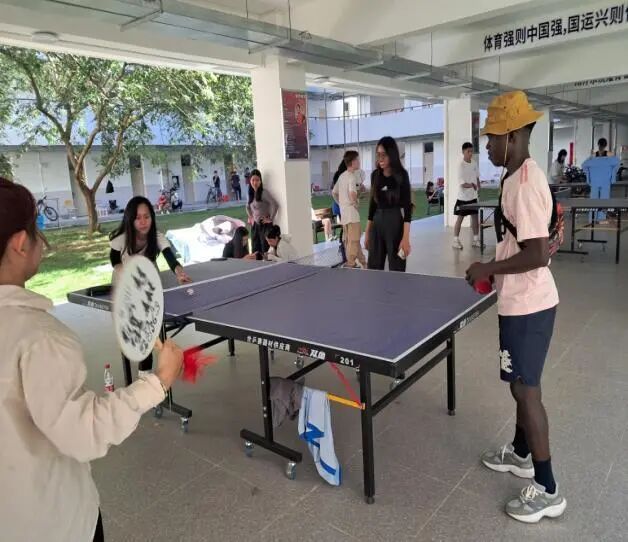
Playing Table Tennis (PINGPANGQIU)
乒乓球活动中的我
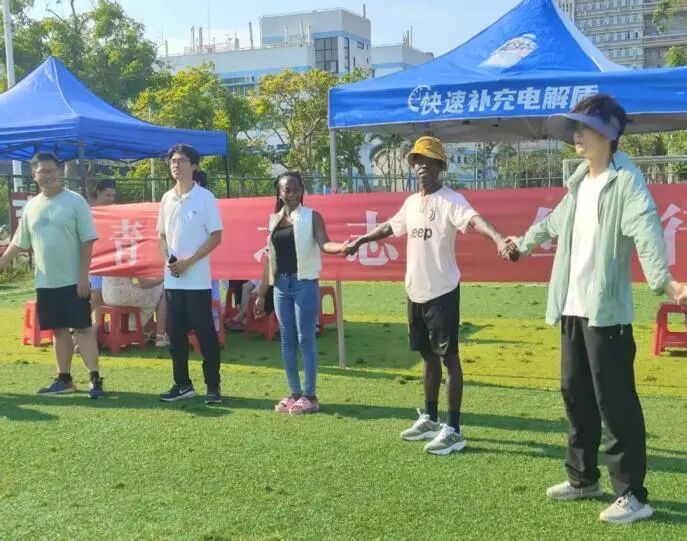
At the sporting Grounds
在运动场上与各国朋友交流
As the camp concluded, I realized this experience was more than a summer program—it was the lens through which I saw China’s heart. The resilience of its people, the elegance of its traditions, and its visionary strides in sustainability left indelible marks. Today, my Mandarin studies feel alive with memories: the scent of ink in calligraphy class, the thrill of table tennis match (Pingpangqiu), and the warmth of friendships forged over steaming hot pots.
随着夏令营的结束,我意识到,这段经历远不止是一次夏令营活动,更像是一扇窗,让我看见了中国的内心世界。中国人民的坚韧不拔、传统文化的优雅,以及在可持续发展方面的远见卓识,都给我留下了深刻的印象。如今,我的中文学习也因为这些美好的回忆而鲜活起来:书法课堂上墨香四溢的味道、乒乓球比赛时的激动人心、还有围坐在热气腾腾的火锅旁结下的温暖友谊。
作者|Discent Jingo(景哲贤)
翻译|韩亚丹
编辑|毛仪婷
审核|李丽琴 Shoko