
携手启航:Stanbic银行与津大孔院共庆端午暨中文班成果
2025-06-14
点击量: 次浏览
DRAGON BOAT
FESTIVAL
端|午|时|节
粽|叶|飘|香

Stanbic银行与津大孔院
共庆端午暨中文班成果
Stannic Bank


【开篇】
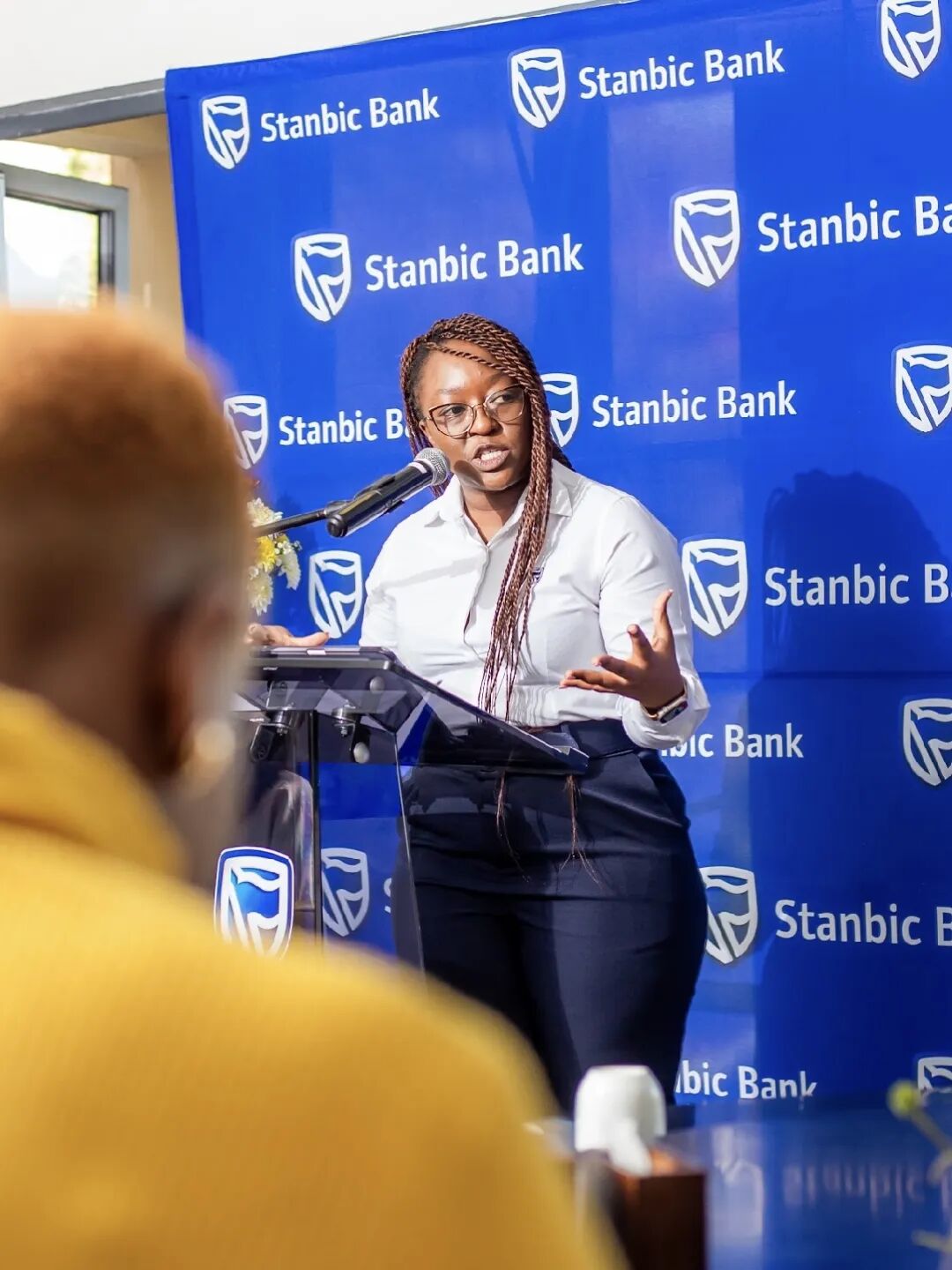
The Stanbic Bank in Zimbabwe together with the Confucius Institute at the University of Zimbabwe partnered in learning and teaching Chinese language.This partnership saw the two institutions celebrating the progress that has been achieved by the inaugural Stanbic bank Chinese class through the celebration of the Dragon Boat Festival.
津巴布韦Stanbic银行与津巴布韦大学孔子学院合作开展汉语教学。双方通过庆祝端午节,共同庆祝首届Stanbic银行中文班所取得的进展。
This noble event aimed to broaden students’ understanding of the language showcasing what they have learnt, assess the success of the program and to expose the students to the Chinese cultural nuances.The festival served as a vibrant platform to promote cultural exchange and strengthen business ties between Zimbabwe and China.
这一盛事旨在拓宽学生对汉语的理解、展示所学成果、评估项目成效,并让学生接触中国文化的细微之处。该节日成为一个充满活力的平台,促进津中文化交流,加强两国商业联系。
PART 1
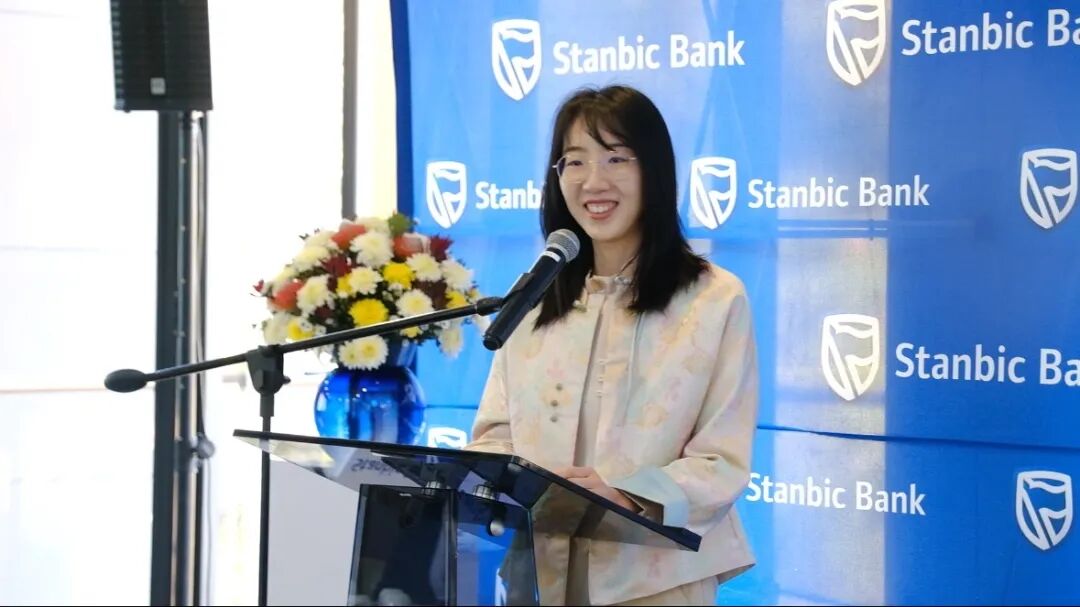
Ms YuXin a representative of the Chinese Embassy in Zimbabwe expressed joy upon witnessing Zimbabweans embrace Chinese culture, emphasizing the significance of the Dragon Boat Festival in preserving traditional and folk culture.
中国驻津巴布韦大使馆代表余欣女士欣喜地看到津巴布韦人拥抱中国文化,并强调了端午节在保护传统和民俗文化方面的重要性。
She further remarked that language is essential for cultural understanding because it acts as a bridge, enabling communication and the transmission of cultural knowledge, values, and traditions across generations.
她进一步指出,语言是理解文化的关键,因为它是一座桥梁,促进沟通,实现文化知识、价值观和传统代代相传。
This celebration exemplified the rich diversity of Chinese heritage, reinforcing the idea that harmony in diversity enhances national pride.
这次庆祝活动展现了中华遗产的丰富多样性,强化了“和而不同”增强民族自豪感的理念。

端午时节
PART 2
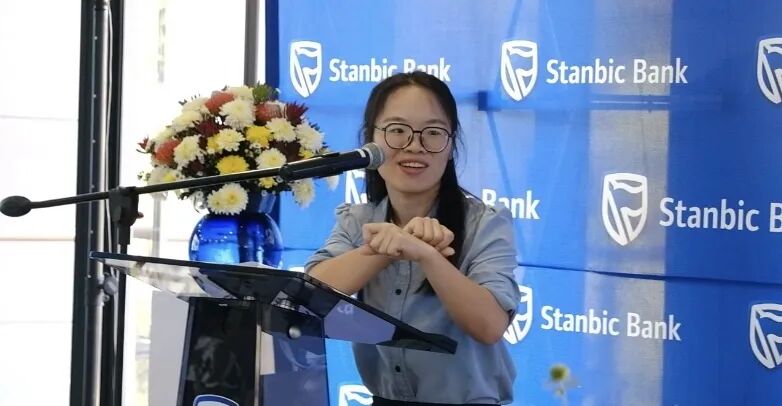
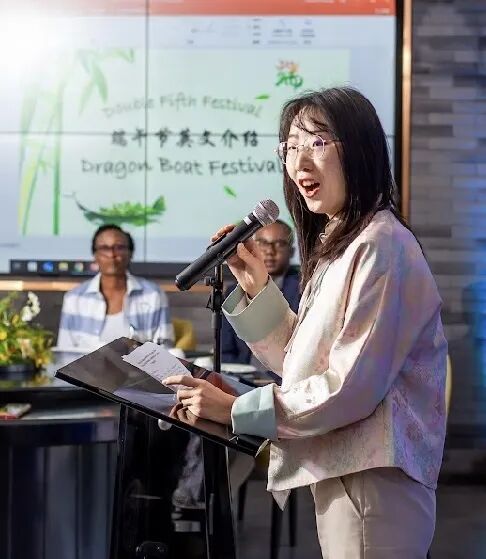
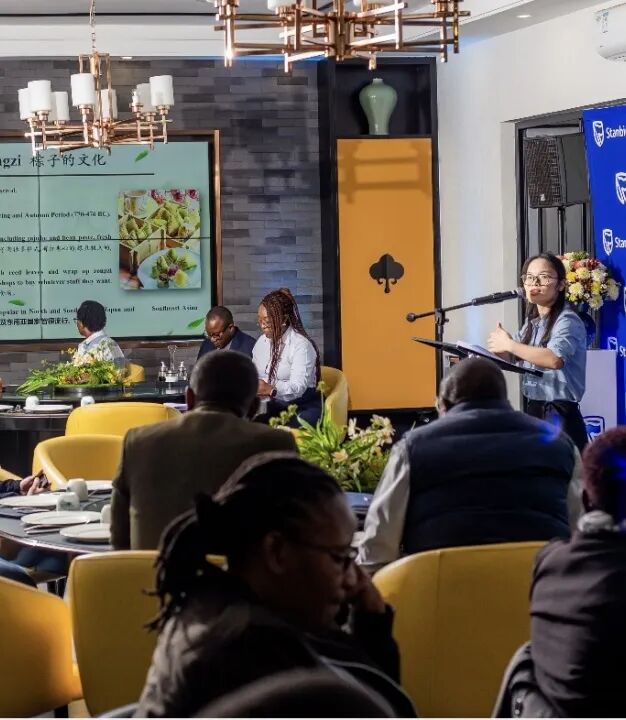
The Story behind the Dragon Festival was shared by Ms Liu Ru, with its deep-rooted history explained in detail, showcasing its importance in both Chinese culture and its role in fostering goodwill between nations.
刘茹老师分享了端午节背后的故事,详细解释了其悠久历史,展示了它在中国文化中的重要性及其在促进国家间友好方面的作用。
By celebrating this festival, both Stanbic Bank and Confucius Institute not only highlighted cultural traditions but also underscored the collective strength that comes from community engagement between Zimbabwe and China.
通过庆祝这个节日,Stanbic银行和孔子学院不仅向大家介绍了中国的文化传统,也强调了津中两国社群参与活动所带来的集体力量。
Liu Ru's sharing was very comprehensive, covering the following topics. The students gained a lot from it.The Dragon Boat Festival, or Duanwu Festival, is a significant cultural event in China, primarily celebrated on the fifth day of the fifth month in the lunar calendar.Its main significance lies in commemorating the life and death of the patriotic poet and scholar Qu Yuan.The festival is marked by dragon boat races, the eating of zongzi (sticky rice dumplings), and various rituals to ward off bad luck and disease.
刘茹老师的分享内容非常丰富,学生们收获颇丰。端午节是中国重要的文化活动,主要在农历五月初五庆祝。其主要意义在于纪念爱国诗人、学者屈原的生平与逝世。这个节日的标志性活动包括赛龙舟、吃粽子以及各种驱邪避疫的仪式。
It was also a happy moment as students learned about the two types of zongzi from northern and southern China—one sweet and the other salty.
学生们还了解到中国南北方的两种粽子——一甜一咸,这是一个愉快的时刻。

端午时节
PART 3

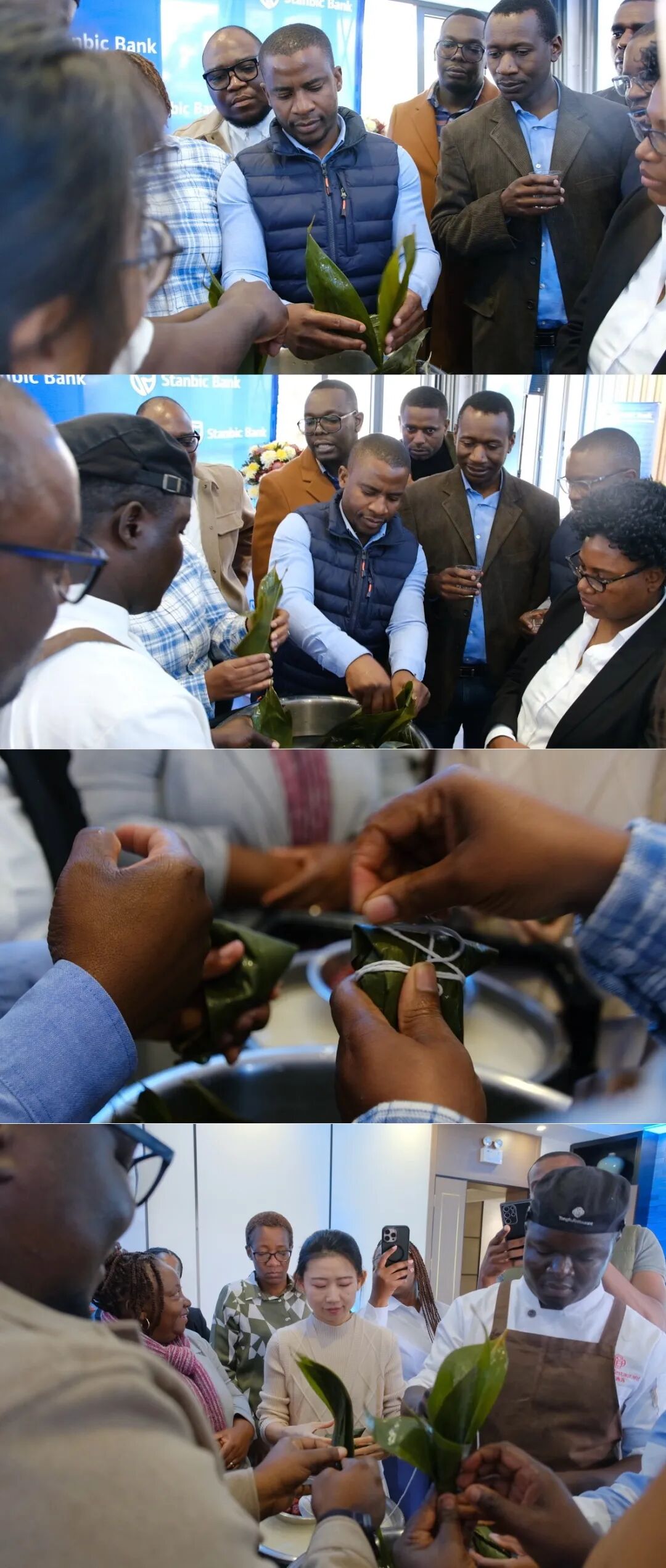
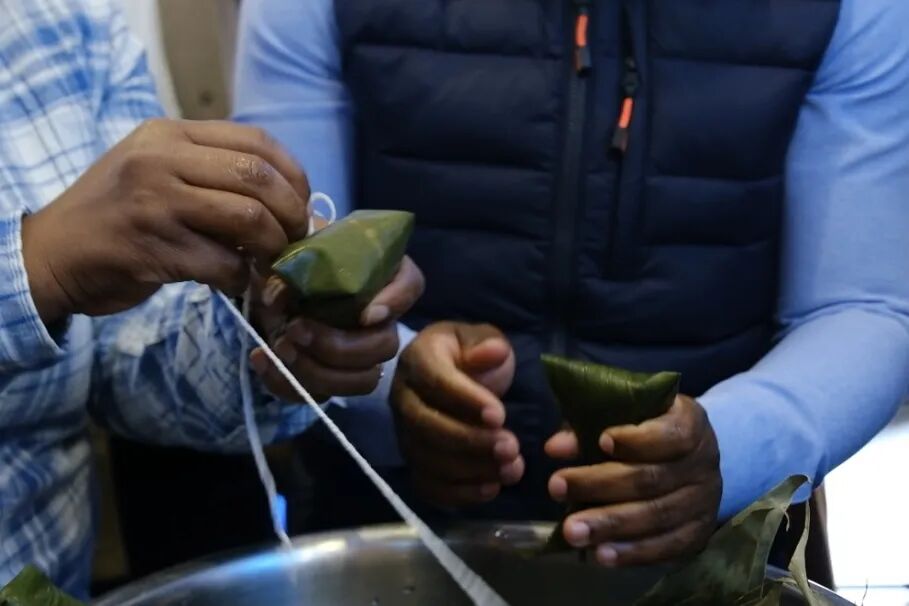
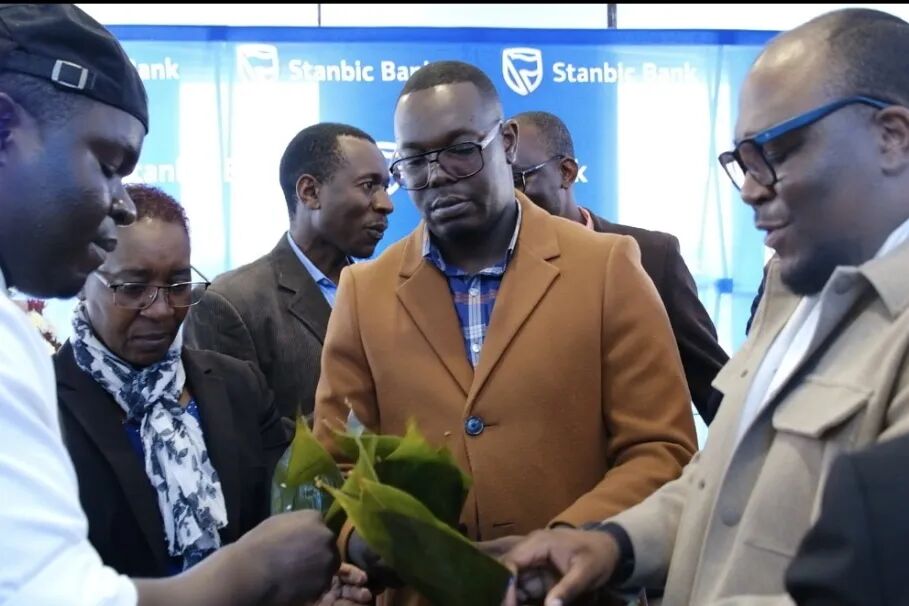
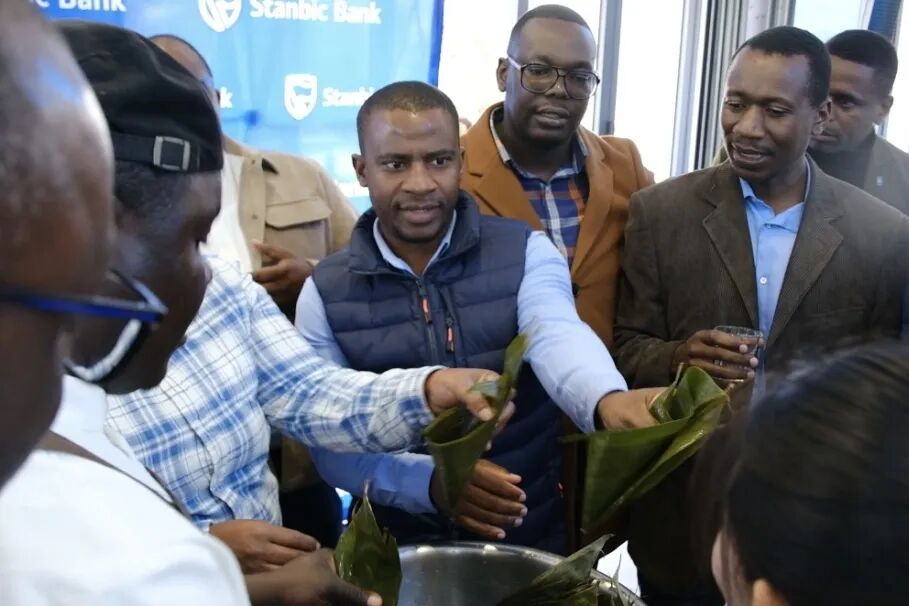
Following an introduction to regional zongzi varieties (sweet vs. salty), students eagerly tried wrapping the sticky rice dumplings themselves. Guided by chef in Tongfu restaurant and Confucius Institute instructors, they gathered around tables with soaked bamboo leaves, glutinous rice, and fillings like red bean paste and marinated pork.
在了解南北粽子(甜咸)差异后,学生们迫不及待地尝试亲手包裹粽子。在同福饭店厨师和孔子学院老师指导下,他们围在摆有泡好的竹叶、糯米及红豆沙、腌肉等馅料的桌旁。
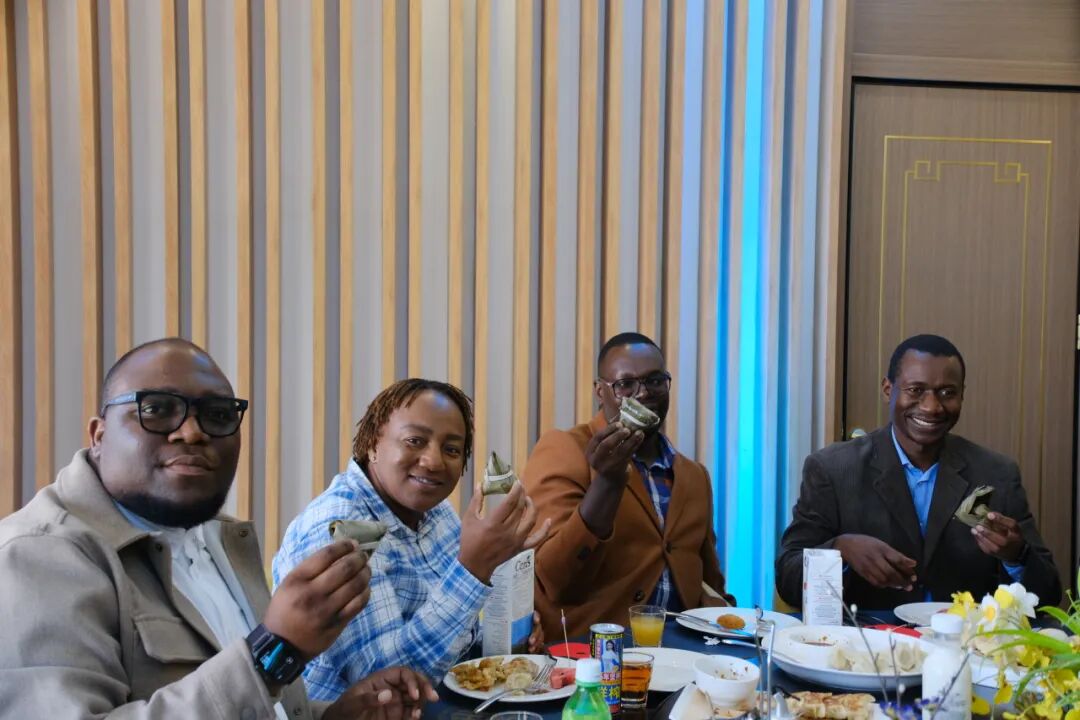
The key challenge was folding the leaves into a tight cone or tetrahedral shape and carefully filling it with rice and chosen filling. Securing the dumpling by folding the leaves over and tying it tightly with string proved tricky, requiring focused effort and gentle pressure to avoid tears. Laughter mixed with concentration filled the air as participants practiced. The session ended with a strong sense of accomplishment as each student held their unique, self-made zongzi – a tangible symbol of their cultural learning.
关键挑战在于将叶子折成紧实的圆锥体或四面体形状,并小心填入糯米和馅料。将叶子折回包裹严实并用绳子牢牢捆紧的步骤颇具难度,需要专注和恰到好处的力度以防叶子破裂。现场充满专注的尝试和欢笑声。当每个学生最终拿着自己制作的、形状各异的粽子时,成就感油然而生——这是他们文化学习的生动象征。

PART 4

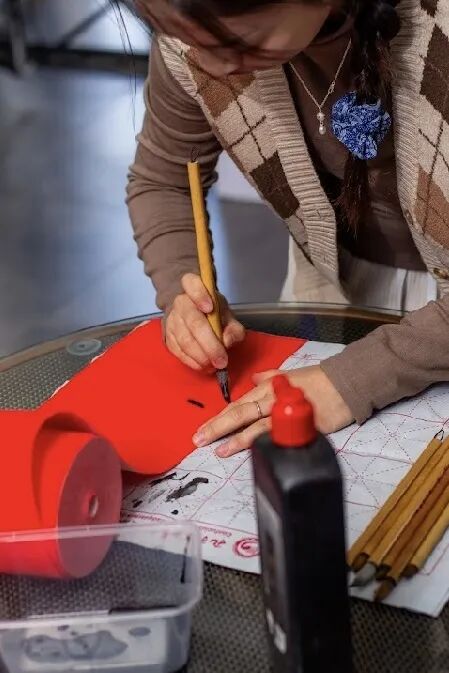
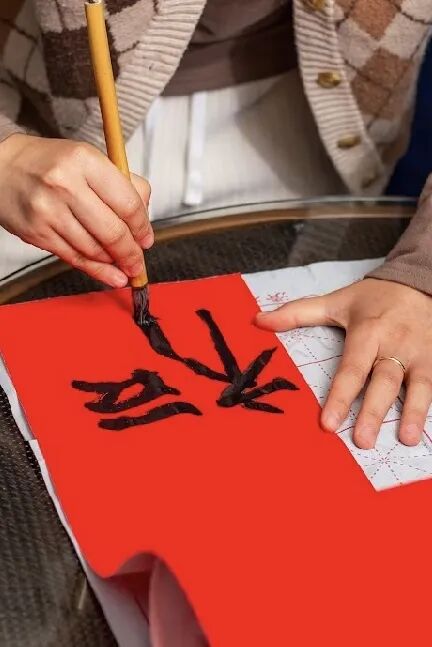

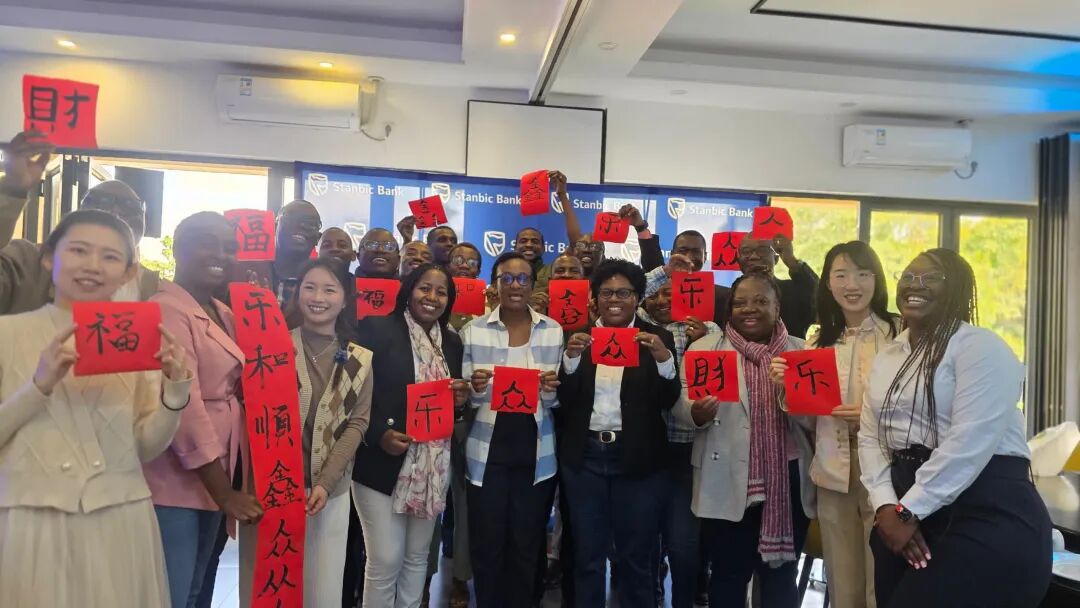
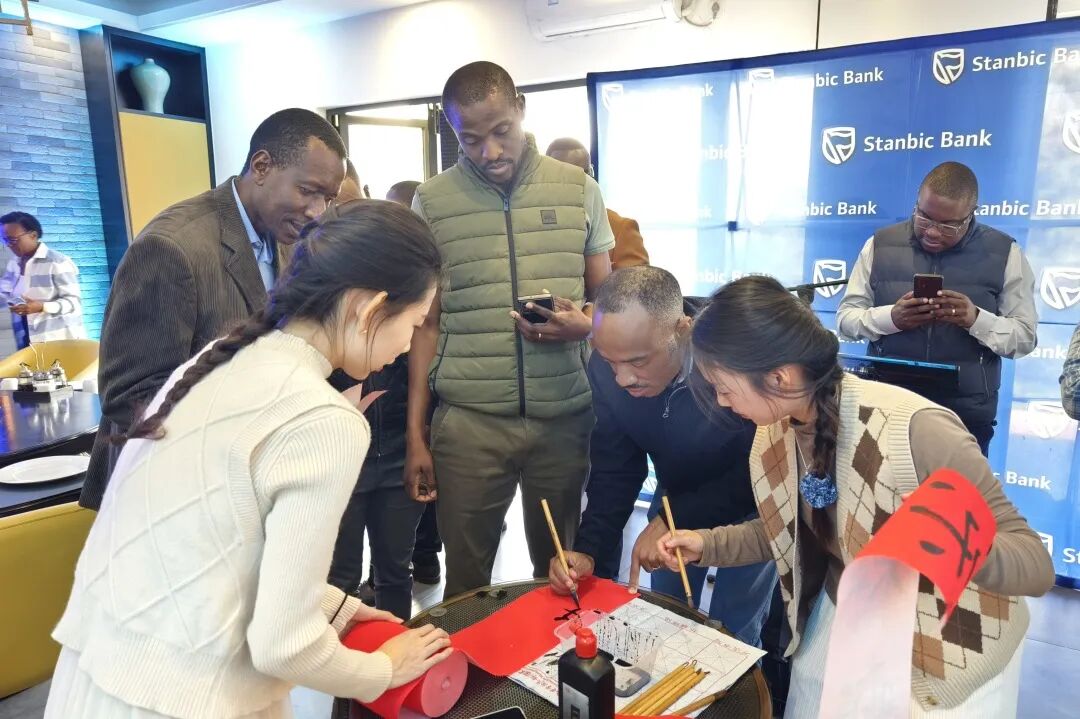
Another highlight of the day was calligraphy demonstrations and activity Organized by volunteer teacher Zhang Yanping of the Confucius Institute.
当天的另一亮点是由孔院志愿者张燕萍老师组织的书法展示和体验活动。
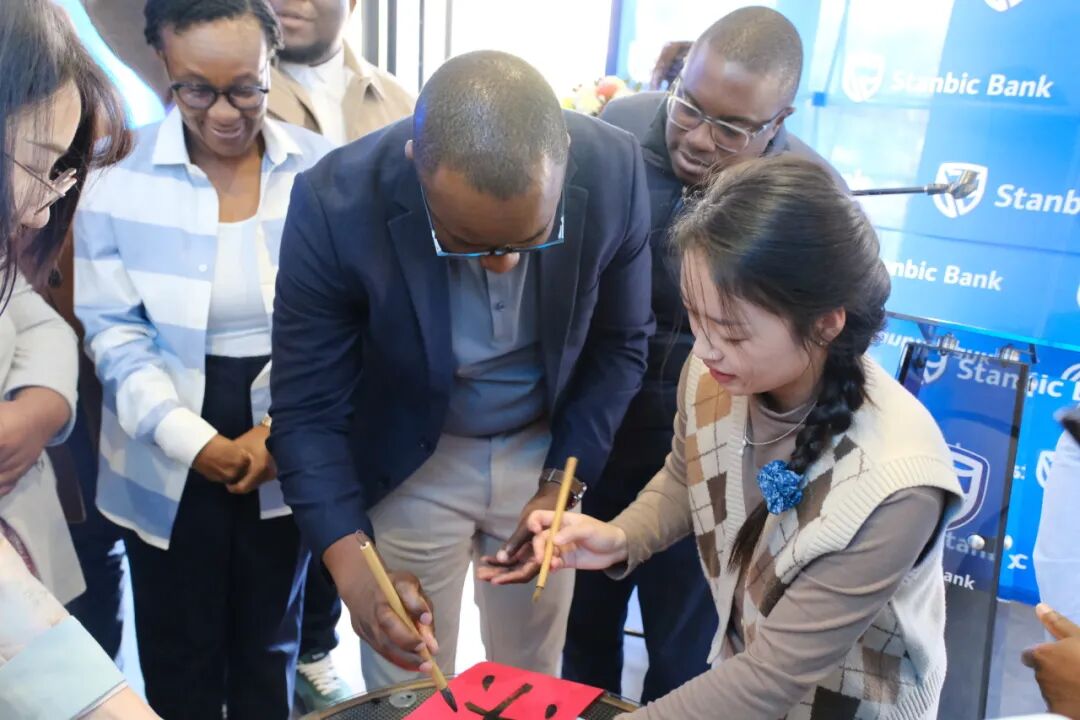
Zhang laoshi conveyed heartfelt blessings through Chinese characters, using brush and ink to write the friendship between China and Zimbabwe.First, she wrote the character "福" (Fu), introducing the Chinese New Year tradition of pasting this character upside down for good luck, and wished everyone present good fortune.Then, she wrote "财" (Cai), representing wealth, and "鑫" (Xin), symbolizing prosperity (composed of three "gold" radicals), expressing hope for the bank's flourishing development.Next, she wrote "顺" (Shun), wishing everyone smooth progress in work and contentment in life.Following that, she wrote "和" (He), explaining the Chinese saying "家和万事兴" (Harmony in the family brings prosperity to all endeavors). Many participants nodded in agreement and extended wishes for family harmony.Finally, she wrote "乐" (Le), hoping everyone would embrace joy and peace while enjoying the day's festivities.
张老师用汉字传递美好祝福,用笔墨书写中津情谊。她先是写了“福”字,介绍中国春节贴福的习俗,并祝愿在座的各位有好运;然后写了代表财富的“财”和“鑫”,希望银行发展蒸蒸日上;而后写了“顺”,愿诸位工作顺利,生活顺心;紧接着写了“和”,介绍中国“家和万事兴”的寓意,许多参与者表示认同,并祝愿各位家庭合睦;最后她写了“乐”字,希望大家能够喜乐平安,享受今天的活动。
This activity not only showcased artistic expression but also deepened understanding of the cultural significance behind the characters.It was a marvel as some of the participants asked for their names to be inscribed so that they carry them for their families.
这项活动不仅展示了书法艺术表达,也加深了对汉字背后文化意义的理解。令人惊喜的是,一些参与者要求将自己的名字写成书法作品,以便带回家与家人分享。



PART 5






At the end,the students also showcased their learning journey highlighting fun vocabulary and pronunciation challenges where one was expected to read and give a meaning of the Chinese word in English from what they have learnt.
学生们还展示了他们的学习历程,重点呈现了趣味词汇和发音挑战环节,参与者需读出所学中文词汇并说出其英文意思。
This interactive activity encouraged participants to explore the nuances of the Chinese language, fostering a greater appreciation for linguistic diversity and its impact on human interactions.
这一互动活动鼓励参与者探索中文的微妙之处,培养对语言多样性及其对人类交流影响的更深理解。
Reflections on learning Chinese in a professional setting was also highlighted through the dialogues between the participants as they had conversations concerning their job and office environment, relations and weekend plans in Chinese.
参与者之间用中文进行了关于工作、办公环境、人际关系和周末计划的对话,也突显了在专业环境中学习汉语的反思。
This event successfully showcased the importance of cultural exchange and community building between Zimbabwe and China.
此次活动成功展示了津中两国文化交流和社群建设的重要性。
【结尾】
By highlighting traditional practices, culinary arts, and language, the festival also celebrated the 45th anniversary of diplomatic relations between Zimbabwe and China, reinforcing the idea that success comes through collective efforts and recognizing the power of community.The event not only enriched attendees' cultural knowledge but also strengthened the ties that bind these two nations together.
通过突显传统习俗、烹饪艺术和汉字文化,这次活动也庆祝了津中建交45周年,强化了“成功源于团队”并认可社群力量的理念。此次活动不仅丰富了参与者的文化知识,也进一步增强了两国之间的友谊。
-end-
作者|Shoko
翻译|张燕萍
照片|张燕萍
编辑|张燕萍
审核|李丽琴