
Speech by Dr Mukaro at the Symposium on the Research Network for Exchanges and Mutual Learning among Civilizations
2026-09-14
点击量: 次浏览
Dr Mukaro 在“文明交流互鉴合作研究网络座谈会”上的发言稿
From Language to Legacy: Deepening Exchanges BetweenChinese and Foreign Civilizations
从语言到传承 : 深化中外文明交流互鉴
By Laston Mukaro
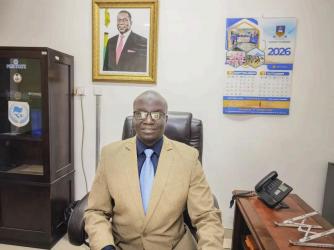
Director of International Affairs, Marketing and Communications of the University of Zimbabwe, Zimbabwean Director of Confucius Institute at the University of Zimbabwe
津巴布韦大学国际事务 、 营销与传播处处长, 津巴布韦大学孔子学院外方院长
Distinguished colleagues, esteemed guests, ladies and gentlemen,
尊敬的各位同事、 各位来宾, 女士们、 先生们:
It is both an honour and a privilege to address you today on the theme: “Building Collaborative Platforms for Civilization Research, Deepening Exchanges and Mutual Learning Between Chinese and Foreign Civilizations. ”
今天能围绕 "构建文明研究合作平台, 深化中外文明交流互鉴" 这一主题发言, 我深感荣幸。
The title “From Language to Legacy: Deepening Exchanges Between Chinese and Foreign Civilizations” beautifully encapsulates the journey and purpose of the Confucius Institute and the broader theme of civilizational dialogue .
" 从语言到传承: 深化中外文明交流互鉴 " 这一主题, 恰如其分地概括了孔子学院的历程与使命, 也体现了文明对话这一更宏大的主题。
It captures the transformative journey of the Confucius Institute and the broader theme of civilizational dialogue . It begins with language as the gateway, teaching Mandarin opens doors to understanding culture , values , and thought systems . Yet the true measure of success lies in the legacy created: the enduring impact of shared research , cultural exchange , and human capital development that strengthens societies long after the classroom experience . By deepening exchanges , the Institute ensures that these interactions are not superficial but embedded in education , research , industry, and community life , fostering mutual respect and cooperation . In this way, the title reflects the essence of the theme: that language is the seed , legacy is the harvest , and civilizational exchange is the fertile ground where both flourish , enabling Chinese and foreign civilizations to learn from one another and build a shared future .
(这一主题) 展现了孔子学院的变革之路, 以及文明对话这一更宏大的主题 。 它始于语言这一门户: 教授中文为理解文化 、 价值观和思想体系打开 了 大门 。 然而, 成功的真正衡量标准在于所创造的传承: 共同研究 、 文化交流和人力资本开发所产生的持久影响, 在课堂体验结束很久之后仍在增强着社会 。 通过深化交流, 孔子学院确保这些互动并非浮于表面, 而是深深植根于教育 、 研究 、 产业和社区生活之中, 从而培育相互尊重与合作 。 由 此可见, 这一标题体现了主题的精髓: 语言是种子, 传承是果实, 文明交流则是两者共同成长的沃土, 使中外文明能够相互学 习 、 共创未来。
The Confucius Institute , considered as the largest international educational cooperation project in human history and the largest internationalisation project in China , aimed to promote the teaching of Chinese language , and the popularisation of the Chinese culture around the world (Li & Xiaohong , 2016) . The Confucius Institute plays a significant role in collaborating with the community and serving society by offering various programs and initiatives that promote Chinese language and culture . The mandate of the CI , derived from its purpose , is to promote the Chinese language and culture (CI.CN) . It is also important to note the critical role played by the Confucius Institute in relation to the Belt and Road Initiative (BRI) by the People’s Republic of China (Chung , Wang & Cho , 2020) , the Forum on China Africa Cooperation (FOCAC) (www.focac.org) . Since this presentation is made in Africa , let us not forget the contributions of the Confucius Institute to Africa’s Agenda 2063 – The Africa we want- especially Goal 2 which speaks to ‘well educated citizens and skills revolution underpinned by science , technology and innovation ’ (African Union , 2013) . The Confucius Institute's efforts in collaborating with the community and serving society play a crucial role in promoting cultural exchange , fostering mutual understanding , and building bridges between different communities .
孔子学院被认为是人类历史上最大的国际教育合作项 目, 也是中国 最大的国 际化项 目, 其宗旨是在全球推广汉语教学和中国文化的普及(Li & Xiaohong, 2016) 。 孔子学院通过开展各种推广汉语和中国 文化的项 目 与计划, 在社区合作和服务社会方面发挥着重要作用 。 孔子学院的宗旨所决定的核心使命, 就是推广汉语和中国 文化(CI.CN) 。 同样值得注意的是, 孔子学院在中国 " 一带一路 " 倡议(BRI) 和 " 中非合作论坛 "(FOCAC) 中发挥的关键作用(Chung, Wang & Cho, 2020;www.focac.org)。由于本次演讲是在非洲进行, 我们不应忘记孔子学院对非洲《2063年议程》 —— " 我们想要的非洲 "——的贡献, 尤其是 目 标2, 即 " 受过良好教育的公民和以科学 、 技术和创新为支撑的技能革命 "(非洲联盟 ,2013) 。 孔子学院在社区合作和服务社会方面所做的努力, 在促进文化交流 、 增进相互理解 、 搭建不同社群之间的桥梁方面发挥着至关重要的作用。
At the University of Zimbabwe , the Confucius Institute has shown us how collaboration can be woven into the fabric of community life . Through agreements with schools , provision of teaching resources , and the training of local teachers , it has ensured that language learning is not isolated , but embedded in a wider civilizational dialogue . When Zimbabwean educators receive international certification , when locally produced materials such as the Chinese–Shona Dictionary enrich classrooms , we see civilization research in action—knowledge created jointly, reflecting both Chinese and African contexts .
在津巴布韦大学, 孔子学院向我们展示了合作是如何融入社区生活的肌理之中的 。 通过与学校签订协议 、 提供教学资源 、 培训本土教师, 它确保了语言学 习 不是孤立的, 而是融入更广泛的文明对话之中 。 当津巴布韦的教育工作者获得国际认证 , 当 《汉绍词典》 (Chinese – Shona Dictionary) 等本土编写的教材丰富课堂时, 我们看到文明研究正在付诸实践——知识由双方共同创造, 既体现中国的背景, 也体现非洲的背景。
But language is only the beginning. Competitions such as the Chinese Bridge , cultural festivals , and immersion camps in China have opened doors for thousands of learners to experience firsthand the richness of Chinese civilization , while also sharing their own . These exchanges remind us of the African proverb: “Wisdom is like fire. People take it from others.” Civilizations flourish not in isolation , but in dialogue—taking wisdom from one another, and in so doing , keeping the fire of knowledge alive .
但语言仅仅是个开端 。 " 汉语桥 " 比赛 、 中国文化节以及赴华夏令营等活动, 为成千上万的学员打开 了 一扇扇 门, 让他们能够亲身感受中华文明的博大精深, 同 时也分享 自 己的文明 。 这些交流让我们想起非洲谚语: " 智慧如火, 取自于人 。 " 文明不是孤立地繁荣, 而是在对话中繁荣——彼此汲取智慧, 从而使知识的火焰生生不息。
Universities , too , have become vital platforms for civilizational research. The Confucius Institute established the China-Africa Joint Research Centre for Exchanges and Mutual Learning Between Civilisations in 2024. The mandate of the China–Africa Joint Research Centre and the Confucius Institute can be understood as a comprehensive framework that advances civilizational dialogue through multiple dimensions . At its core , it seeks to facilitate intellectual exchange by creating platforms where Chinese and African academics share knowledge , ideas , and perspectives , thereby enriching mutual understanding. This is complemented by efforts to promote academic research and innovation , supporting joint projects , publications , and comparative studies that deepen insights into both civilizations . Equally important is the role of cultural diplomacy, which strengthens ties through exhibitions , performances , and language programs that celebrate diversity while fostering unity. Beyond culture , the mandate extends to supporting modernization and industrialisation , aligning research outputs with practical solutions for African development in areas such as innovation , entrepreneurship , and industrial growth. Finally, it embraces Zimbabwe’s Heritage-Based Education 5.0 , integrating teaching , research , community service , innovation , and industrialisation into higher education , ensuring that civilizational exchange is not only intellectual but also transformative , driving progress and shared prosperity.
大学同样已成为文明研究的重要平台 。2024年, 津大孔院成立了 " 中非文明交流互鉴合作研究中 心 " 。 中非合作研究中心 与孔子学院的使命可以理解为通过多个维度推进文明对话的综合框架 。 其核 心 在于通过搭建平台促进学术交流, 让中非学者分享知识 、 思想和观点, 从而丰富相互理解 。 与此相辅相成的是促进学术研究与创新, 支持联合项 目 、 合作出版和比较研究 ,深化对两大文明的认识 。 同样重要的是文化外交的作用, 通过展览 、 演出和语言项 目 来加强纽带, 在庆祝多样性的 同 时促进团结 。 除了文化之外, 这一使命还延伸到支持现代化和工业化, 使研究成果与非洲发展的实际解决方案相结合, 涵盖创新 、 创业和产业增长等领域 。 最后, 它还与津巴布韦 " 基于遗产的教育5.0 "(Heritage-Based Education 5.0) 相契合, 将教学 、研究 、 社区服务 、 创新和工业化融入高等教育, 确保文明交流不仅是智力层面的, 更是具有变革性的, 推动进步与共同繁荣。
Joint conferences , collaborative publications , and faculty exchanges between Zimbabwean and Chinese scholars have strengthened academic brands and internationalized research outputs . The CIUZ , in collaboration with Renmin University of China , has already hosted three China-Africa Civilization Forums as a flagship of the China-Africa Research Centre . These for a brought scholars from Africa and China as platform for dialogue , culture exchange and civilizational exchange . This is how civilizations learn from one another, not only through culture and language , but through shared inquiry, shared discovery, and shared innovation . As Laozi taught , “A journey of a thousand miles begins with a single step.” Each collaborative project is one such step toward a shared journey of civilizational learning.
津中两 国学者之间的联合会议 、 合作出版和教师交流, 增强 了 学术影响力, 使研究成果走向国 际化 。 津大孔院(CIUZ) 与中国人民大学合作, 已举办三届“ 中非文明论坛 ”, 作为中非研究中心的旗舰项 目 。 这些论坛汇聚来自非洲和中国的学者, 成为对话 、 文化交流和文明交流的平台 。 文明就是这样相互学 习 的——不仅通过文化和语言, 还通过共同的探究 、 共同的发现和共同的创新 。 正如老子所言: " 千里之行, 始于足下 。 " 每一个合作项 目, 都是迈向文明共同学习之旅的一步。
In the spirit of glocalisation , the CIUZ plays a crucial role in the teaching and learning Chinese by the various communities . There is a need to localise the teaching methods and materials for maximum results . The CI teachers can produce the much needed teaching materials for the community in collaboration with the host institution . At times the communities are very eager to learn the Chinese language but the resources are scarce , hence efforts by the CI to produce locally become a critical collaborative effort to serve the community. The CIUZ has written a number of textbooks , including a Chinese- Shona Dictionary and also Teaching Chinese the Zimbabwean Way. There is also a deliberate effort to encourage faculty to enroll for higher degrees so as to create a critical mass of teachers and language experts .
本着 " 全球本土化 "(glocalisation) 的精神, 津大孔院在各社区的汉语教学与学 习 中发挥着关键作用 。 我们需要对教学方法和教材进行本土化, 以实现最佳效果 。 孔院教师可以与相关院校合作, 为社区编写急需的教学材料 。 有时社区对学 习 汉语充满热情, 但资源匮乏, 因 此孔院开展本土教材编写工作成为服务社区的一项关键合作举措 。 津大孔院 已经编写 了 多部教材 ,包括《汉绍词典》 (Chinese –Shona Dictionary) 以及《以津巴布韦方式教汉语》 (Teaching Chinese the Zimbabwean Way) 等 。 此外, 我们还特别鼓励教师攻读更高学位, 以打造教师和语言专家队伍。
Beyond academia , the Confucius Institute has extended its reach into industry and society. By linking students to internships in Chinese companies , by inviting experts in agriculture , health , and infrastructure to share knowledge , it has expanded civilizational dialogue into practical skills that empower communities . Scholarships and training programs have built a critical mass of professionals who return to contribute to national development , embodying the spirit of mutual learning.
在学术之外, 孔子学院还将触角延伸至产业和社会 。 通过推荐学生到中 国公司实 习, 邀请农业 、 卫生和基础设施领域的专家分享知识, 它将文明对话拓展为赋能社区的实用技能 。 奖学金和培训项 目 培养了一批又一批的专业人才, 他们学成归国后为国 家发展贡献力量, 体现 了互学互鉴的精神。
Even in times of crisis , such as the COVID19 pandemic , the Institute stood with communities—donating protective equipment , supporting orphanages , and assisting vulnerable groups . These acts of solidarity remind us of the African wisdom: “If you want to go fast, go alone. If you want to go far, go together.” Civilizational exchange is not abstract; it is lived , it is felt , it is expressed in compassion .
即使在危机时刻, 例如在新冠疫情期间, 孔院也与社区站在一起——捐赠防护物资 、 支持孤儿院 、 帮助弱势群体等等 。 这些团结互助的举动让我们想起非洲的智慧: "如果你想走得快,就独自 前行; 如果你想走得远, 就结伴同行 。 " 文明交流不是抽象的; 它是可以感受到的, 它体现在人与人之间的同情与关怀之中。
Looking ahead , the path is clear. We must:
展望未来, 道路清晰 。 我们必须:
·Align Confucius Institute programs with national education strategies , embedding Chinese language and civilizational studies within curricula . 使孔子学院项 目 与国家教育战略保持一致, 将汉语和文明研究纳入课程体系。
· Strengthen ties with ministries and government departments to institutionalize this dialogue . 加 强 与 各 部 委 和 政 府 部 门 的 联 系 , 使 这 一 对 话 机 制化。
· Expand partnerships with Chinese universities and local companies to sustain research , training , and student support. 扩大与 中 国 大学和本地企业的合作, 以持续开展研究 、 培训和学生支持工作。
·And above all , ensure that our exchanges resonate with the aspirations of our communities , contributing to Africa’s Agenda 2063 and to the shared future envisioned by the Belt and Road Initiative . 最重要的是 ,确保我们的交流契合社区的愿景, 为非洲《2063年议程》 以及 " 一带一路 " 倡议所设想的共同未来作 出贡
献。
Ladies and gentlemen, the Confucius Institute is more than a classroom . It is a collaborative platform for civilizational research. It is a stage for cultural exchange . It is a bridge across continents and across histories . Its sustained success lies in its ability to deepen exchanges and foster mutual learning.
女士们 、 先生们 , 孔子学院不只是一间教室 。 它是文明研究的合作平台 , 是文化交流的舞台, 是跨越大陆 、 贯通历史的桥梁 。 它持续成功的秘诀, 在于深化交流 、 促进互学互鉴的能力。
As Confucius wisely said , “When we see men of worth, we should think of equaling them; when we see men of contrary character, we should turn inward and examine ourselves.” And as the African sage Kwame Nkrumah reminded us , “The forces that unite us are intrinsic and greater than the superimposed influences that divide us. ”
正如孔子所言: " 见贤思齐焉, 见不 贤而 内 自省也 。 " 非洲贤者夸梅 · 恩克鲁玛也提醒我们: “ 将我们团结在一起的力量源于内在, 且大于那些强加于我们 、 使我们分裂的影响 。 ”
Together, let us build a future where Chinese and foreign civilizations stand side by side—sharing knowledge, exchanging culture, and advancing the cause of human progress.
让我们携手共建一个中外文明并肩而 立 、 共享知识 、 互鉴文化 、 共同推进人类进步事业的未来。
Thank you .
谢谢大家。
Bibliography 参考文献
African Union 2013. Agenda 2063: The Africa We Want. Goals & Priority Areas of Agenda 2063 | African Union (au.int)
Forum on China-Africa Cooperation (focac.org)
Jung , J. , Wang , W. & Cho , S. 2020. ‘The Role of Confucius Institutes and One Belt , One Road Initiatives on the Values of Cross-Border M&A: Empirical Evidence from China . ’ Sustainability, 12. p1-20
Li , J. , & Xiaohong , T. 2016. A Global Experiment in the Internationalization of Chinese Universities: Models , Experiences , Policies , and Prospects of the Confucius Institutes ’ First Decade . Chinese Education & Society, 49(6), 411–424 . https://doi.org/10.1080/10611932.2016.1262682
Ministry of Education of China 2013. Confucius Institute Development Plan (2012-2020) . Ministry of Education of the People’s Republic of China .
Niu , C. 2013. China’s educational cooperation with Africa: Toward new strategic partnerships . Asian Education and Development Studies, 3(1), 31–45 . https://doi.org/10.1108/AEDS-09-2013-0057
Qiao , P. 2024 . Confucius Institute’s Role in Chinese Language Development in Indonesia: A Site Study at State University of Malang. Open Journal of Social Sciences, Vol 12(2). p31-46
Saini T. K. & Zhou , C. S. 2024 . A Study on Talent Training at Confucius Institute in Zimbabwe . International Journal of Science, Technology and Society, 12(1) , 1-5. https://doi.org/10.11648/j.ijsts.20241201.11
编译 李丽琴